PROJECT PORTFOLIO

Selected Engineering Projects

A detailed look at my work across thermal modeling, electro-optics, multiphysics simulation, and virtual product development.

These projects span academic research and industrial engineering, from wearable energy-harvesting devices to thermal & electromagnetic propagation analysis in EV battery system.

MASTER'S RESEARCH

Wearable Thermoelectric Generator

Body-heat energy harvesting through thermal modeling, device design, fabrication, and automated measurement.

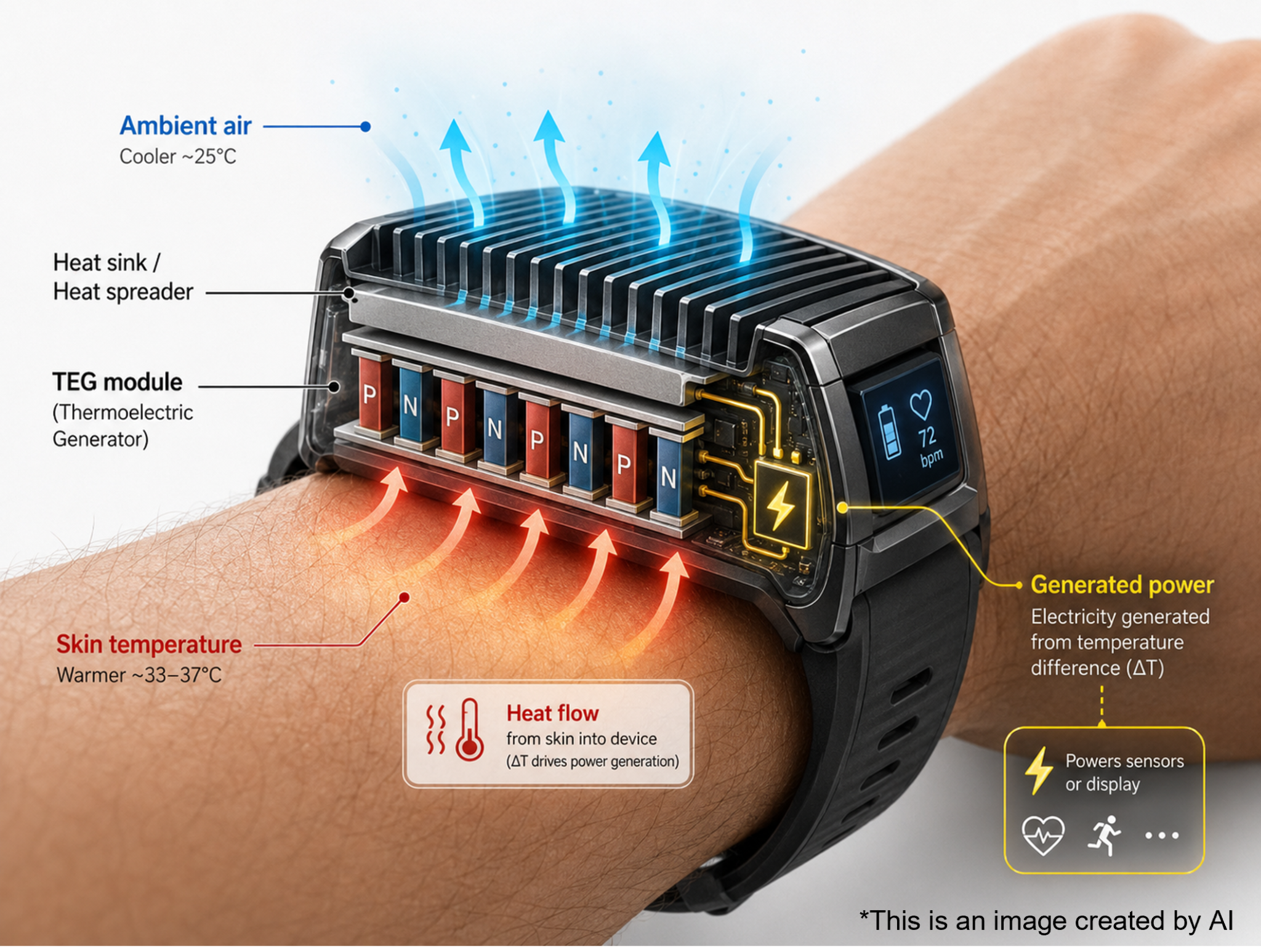
Concept illustration of a wearable thermoelectric generator
AI-generated concept image.
OVERVIEW

Project Summary

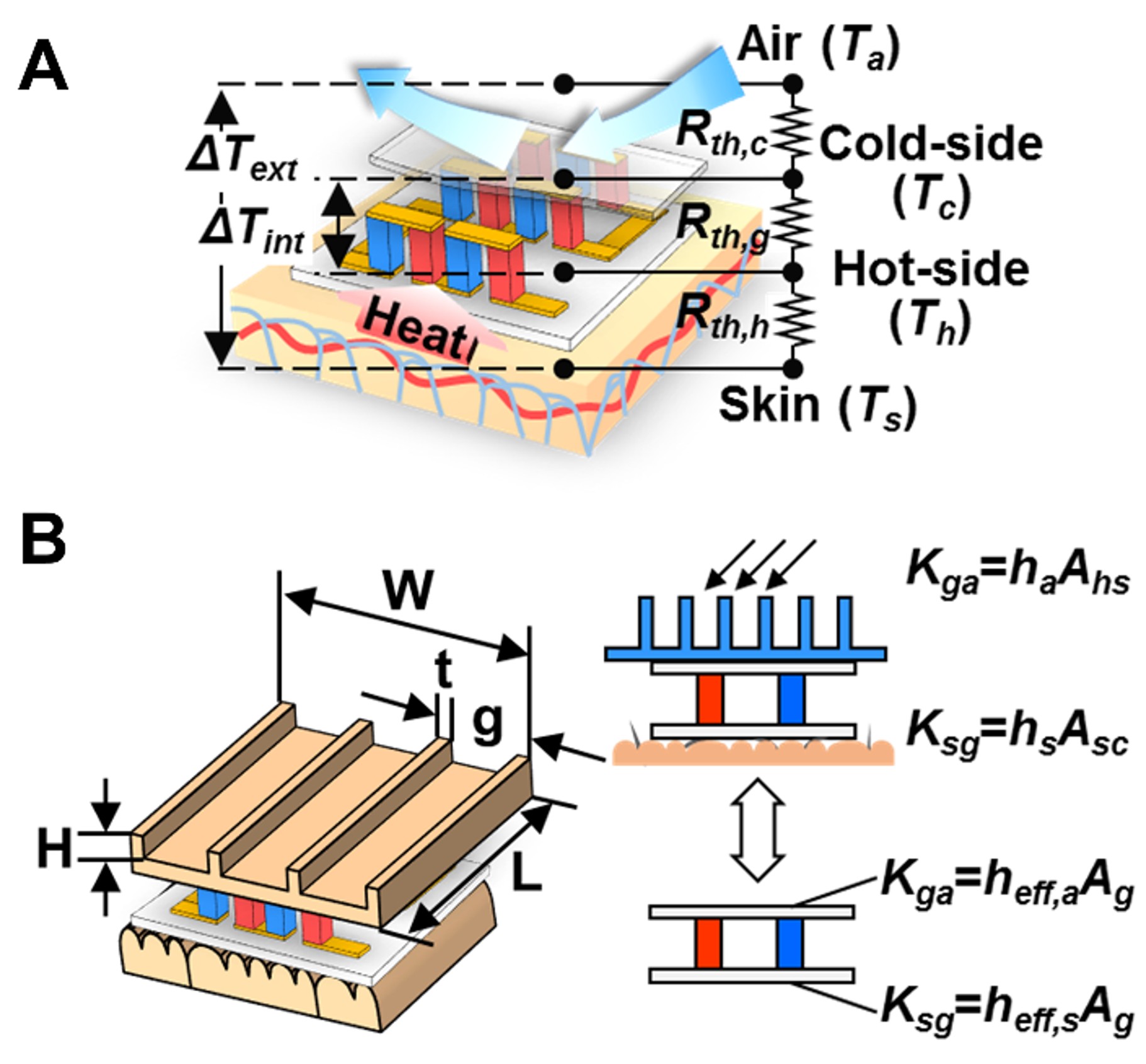
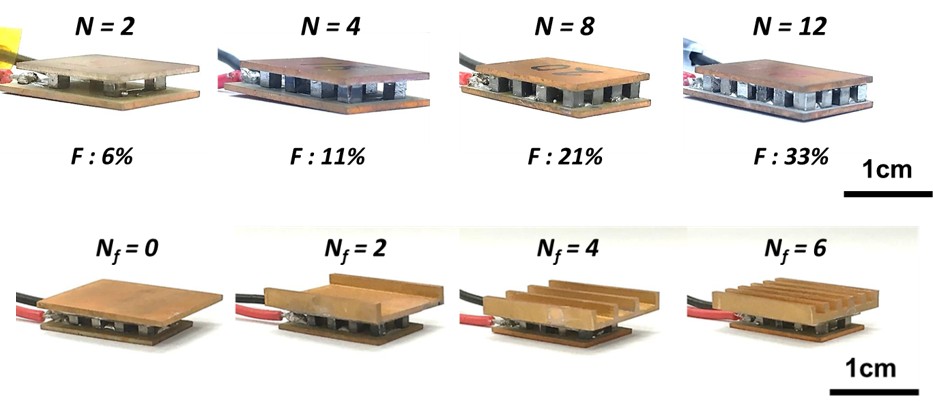
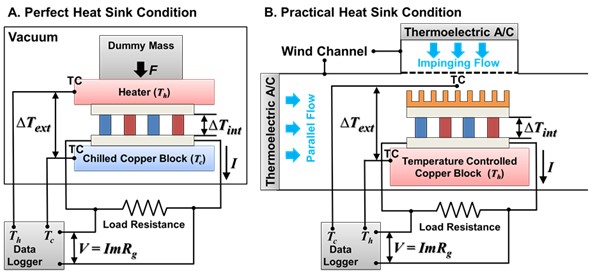
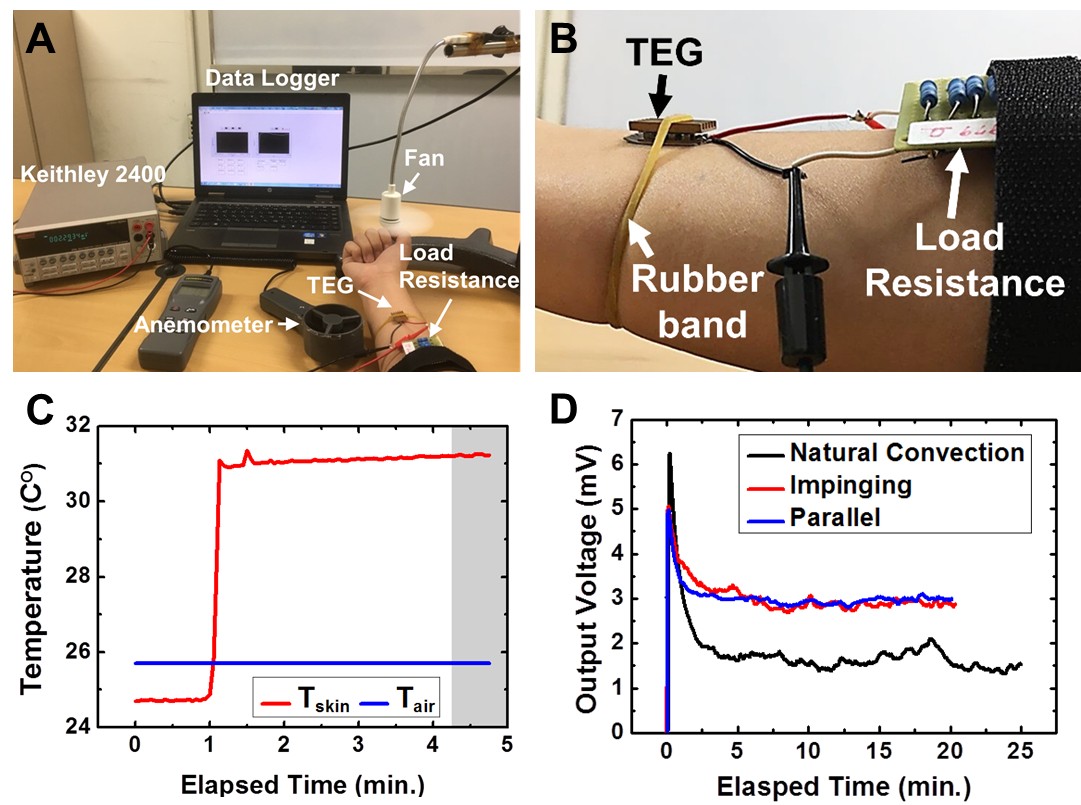
Developed a wearable thermoelectric generator that converts the temperature difference between human skin and ambient air into electrical power. A 1D thermal-resistance model linked the skin, TEG, heat sink, and ambient boundary conditions and was used to guide device design and experiments.

MY ROLE
  • Built the 1D thermal-resistance model.
  • Optimized TEG and heat-sink structures.
  • Fabricated and assembled prototype devices.
  • Automated characterization using NI LabVIEW.
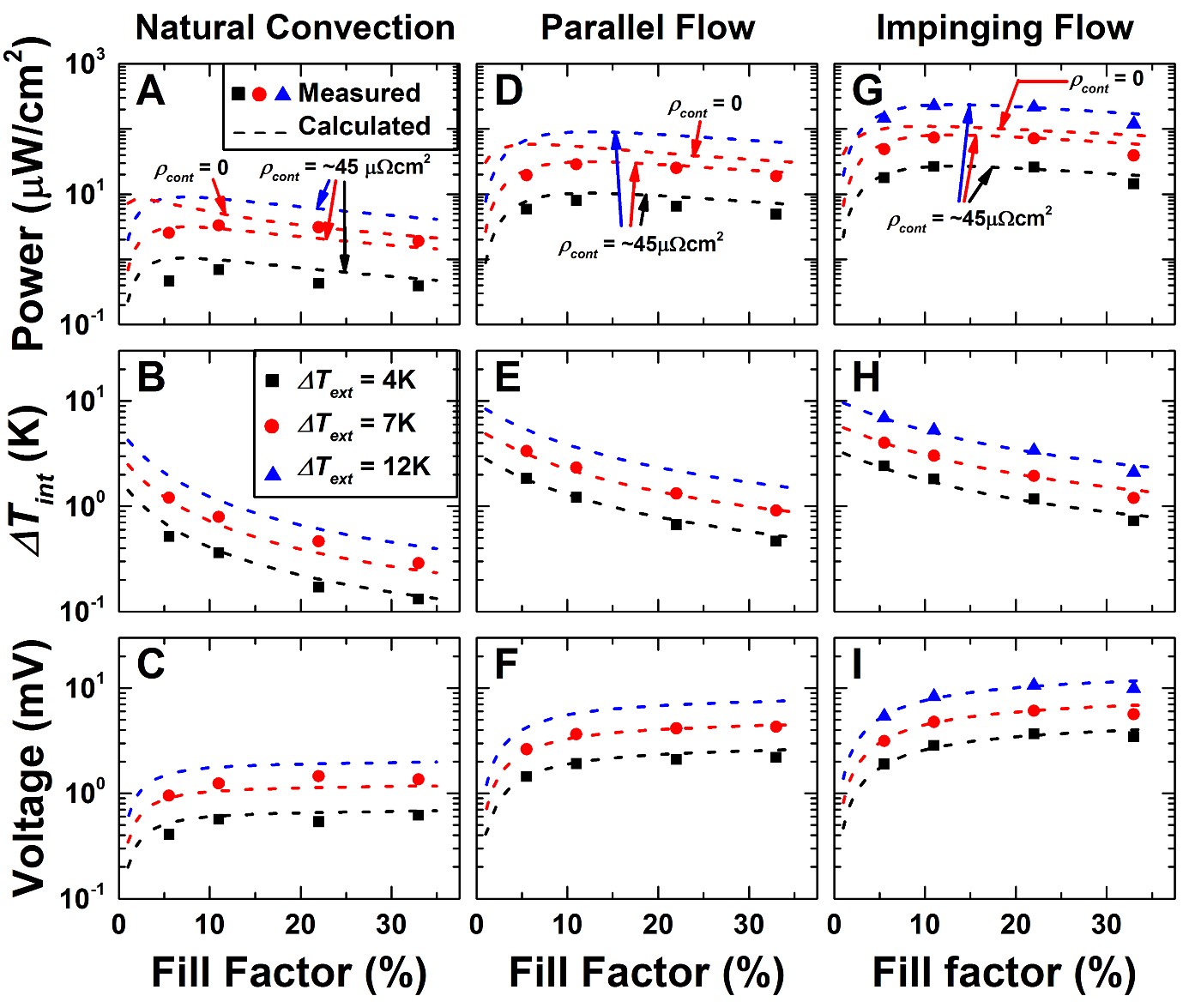
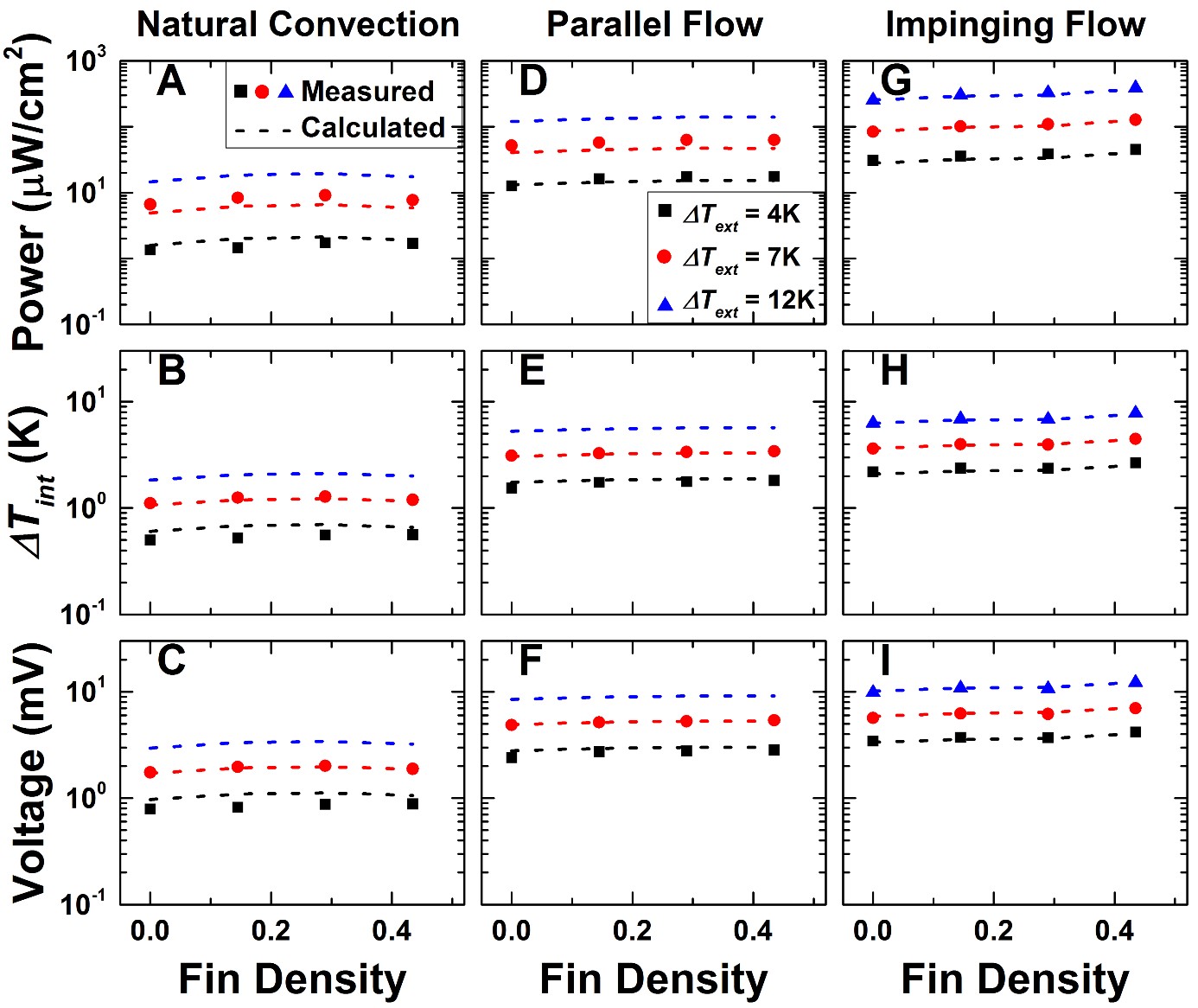
  • Compared predicted model with expreimental results.

Technical Highlights

  • Connected skin, device, heat sink, and ambient convection through a compact 1D thermal-resistance network.
  • Studied the balance between internal thermal resistance and external heat dissipation.
  • Investigated the optimal design variables , suggesting a design rules for wearable TEGs.
  • Tested prototypes under natural, parallel, and impinging airflow conditions.
  • Integrated a Keithley 2400, temperature measurement DAQ, and NI LabVIEW for automation.

PH.D. RESEARCH

KTN Electro-Optic Beam Steering

Multiphysics modeling, device fabrication, free-space optics, and high-speed validation of KTN beam-steering devices.

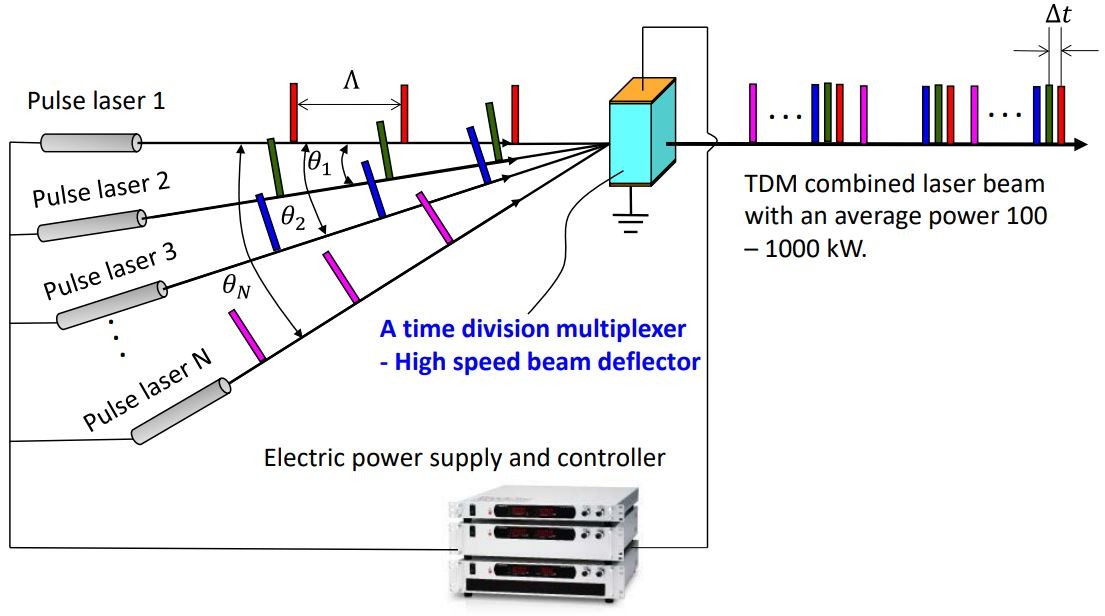
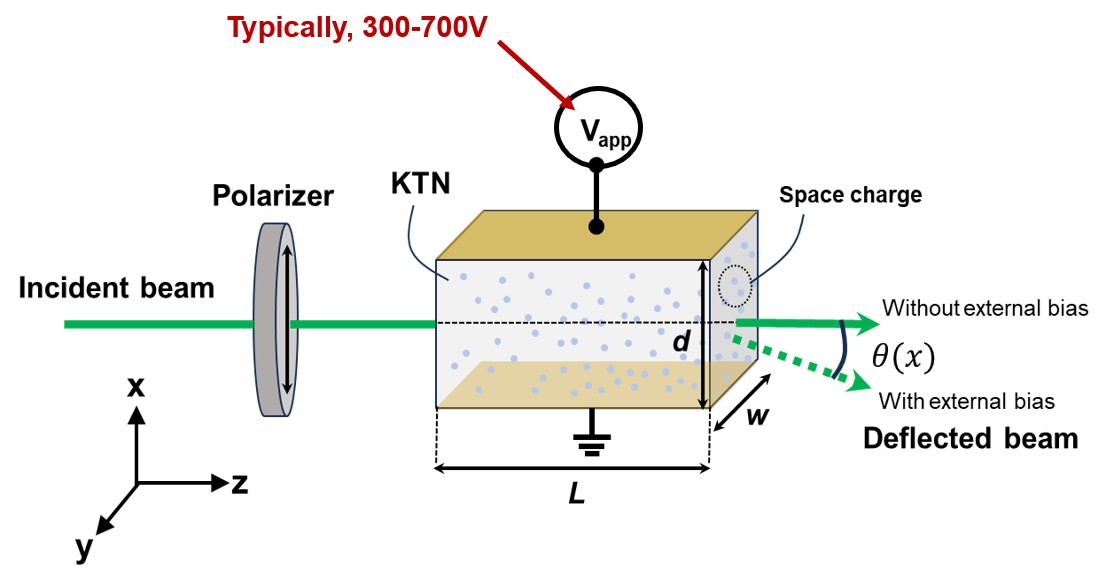
Operating concept of a KTN electro-optic beam deflector
KTN electro-optic beam-deflection concept.
OVERVIEW

Project Summary

Developed KTN electro-optic beam deflectors by combining electric-field and thermal simulation, device fabrication, free-space optical design, and high-speed measurement.

MY ROLE
  • Planned and executed the research workflow.
  • Performed COMSOL electric-field and thermal analysis.
  • Designed and aligned free-space optical systems.
  • Fabricated and characterized devices and surface structures.
  • Built synchronized optical and electrical measurements.

Technical Highlights

  • Analyzed composition-dependent dielectric and thermal behavior.
  • Designed thermal compensation for non-uniform KTN crystals.
  • Developed a polarization-independent reflective optical layout.
  • Performed cleanroom fabrication and material/device characterization.
  • Investigated surface topology for local electric-field enhancement.
  • Suggested a new beam deflector design for high-speed beam scanner.

01

Thermal-Gradient Compensation of Composition Non-Uniformity

Challenge: Composition gradient in KTN crystal changed the Curie temperature and created a beam deflecting performance degradation.

What we did: Propose a non-uniform temperature profile to compensate for performance degradation and verify its effectiveness.
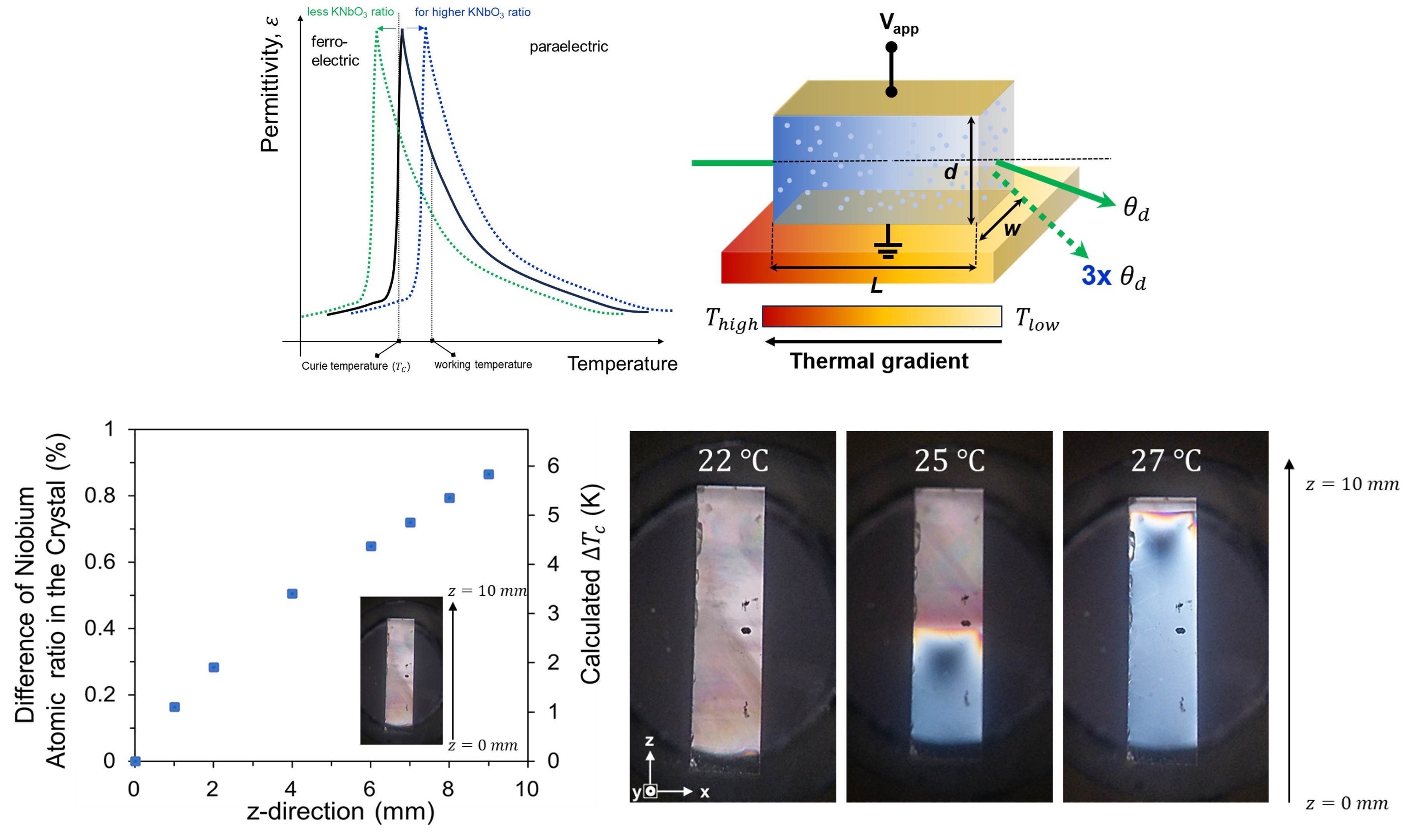
Conceptual figures of compositional gradient. Experimental verification with EDS and polarized microscopy
(A) Conceptual schematic of the compositional gradient effect in a KTN crystal. (B) EDS and polarized microscopy results confirming the compositional gradient.
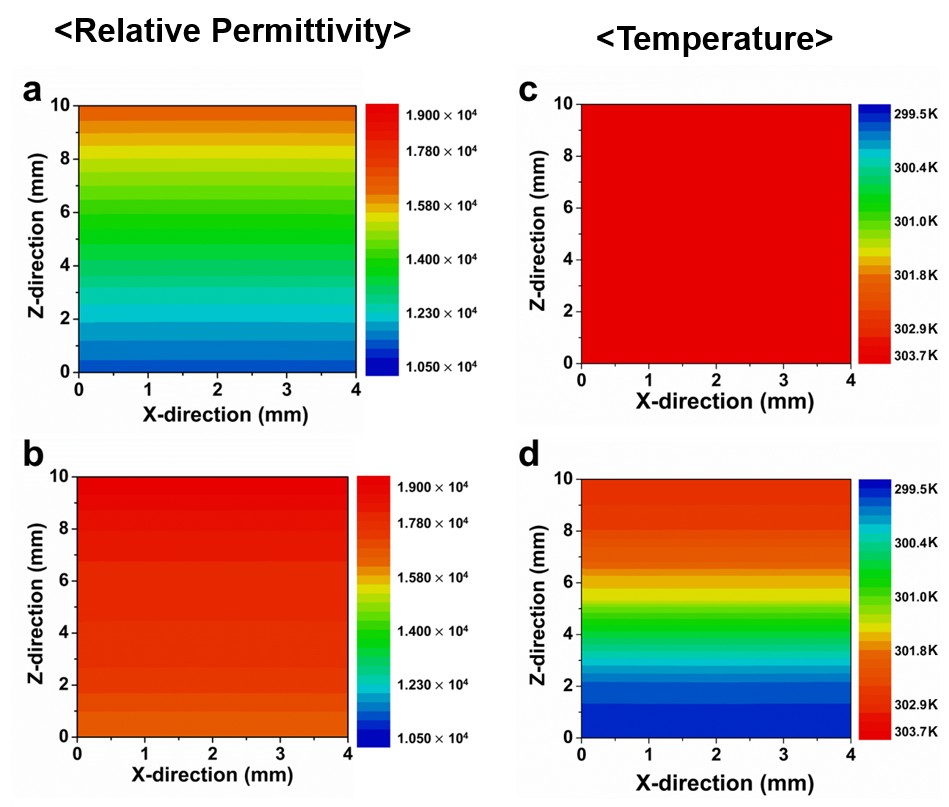
Simulated permittivity and temperature distributions for thermal compensation
Simulation results (COMSOL) of the temperature and permittivity distributions under (a, c) a uniform-temperature condition and (b, d) a non-uniform temperature-gradient condition.
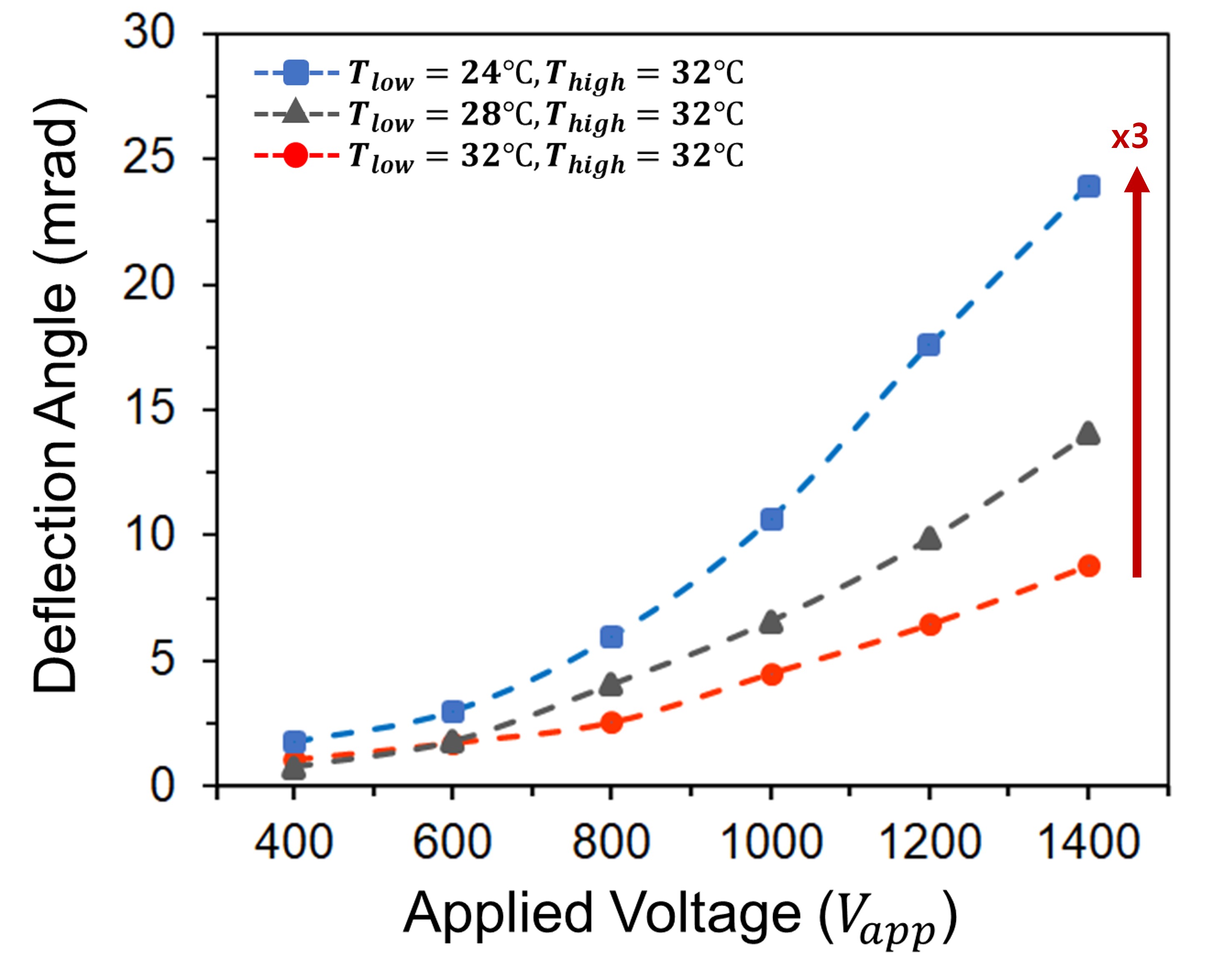
Measured beam deflection angles of KTN beam deflector under different temperature-gradient conditions
Measured beam deflection angles of the KTN beam deflector under different temperature gradient conditions.

02

Polarization-Independent Reflective-type KTN Deflector

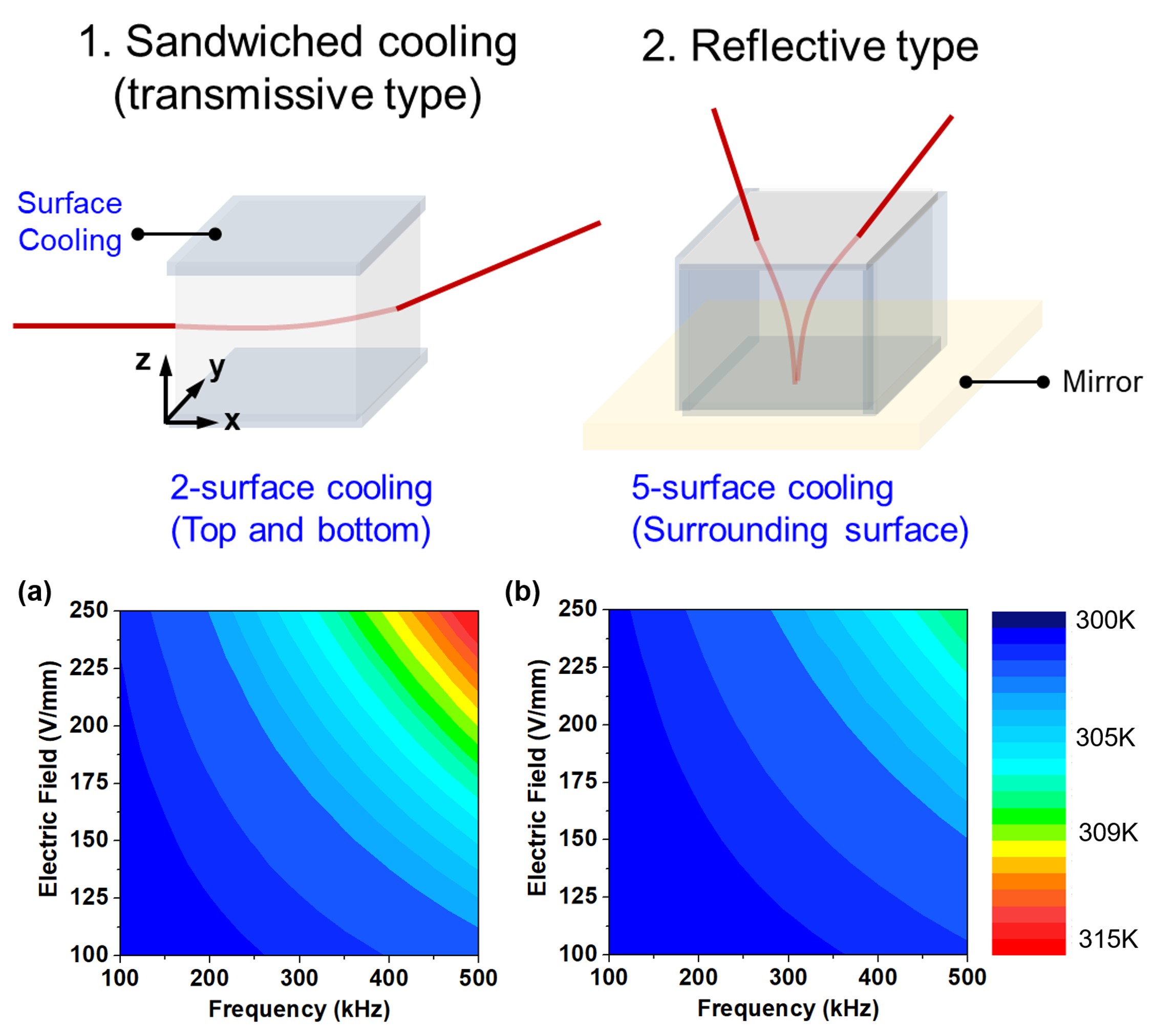
Challenge: Conventional KTN beam steering suffered from polarization dependency and dielectric heating during high-speed scanning.

What we did: Proposed an integrated optical system using a QWP and a retroreflector, enabling polarization-independent reflective-type beam steering.

Polarization-independent reflective KTN optical architecture
Conceptual design of conventional (1-A) transmissive-type and (2-B) reflective-type EO deflectors. Calculated temperature distributions under different electric fields (V/mm) and frequencies (kHz).
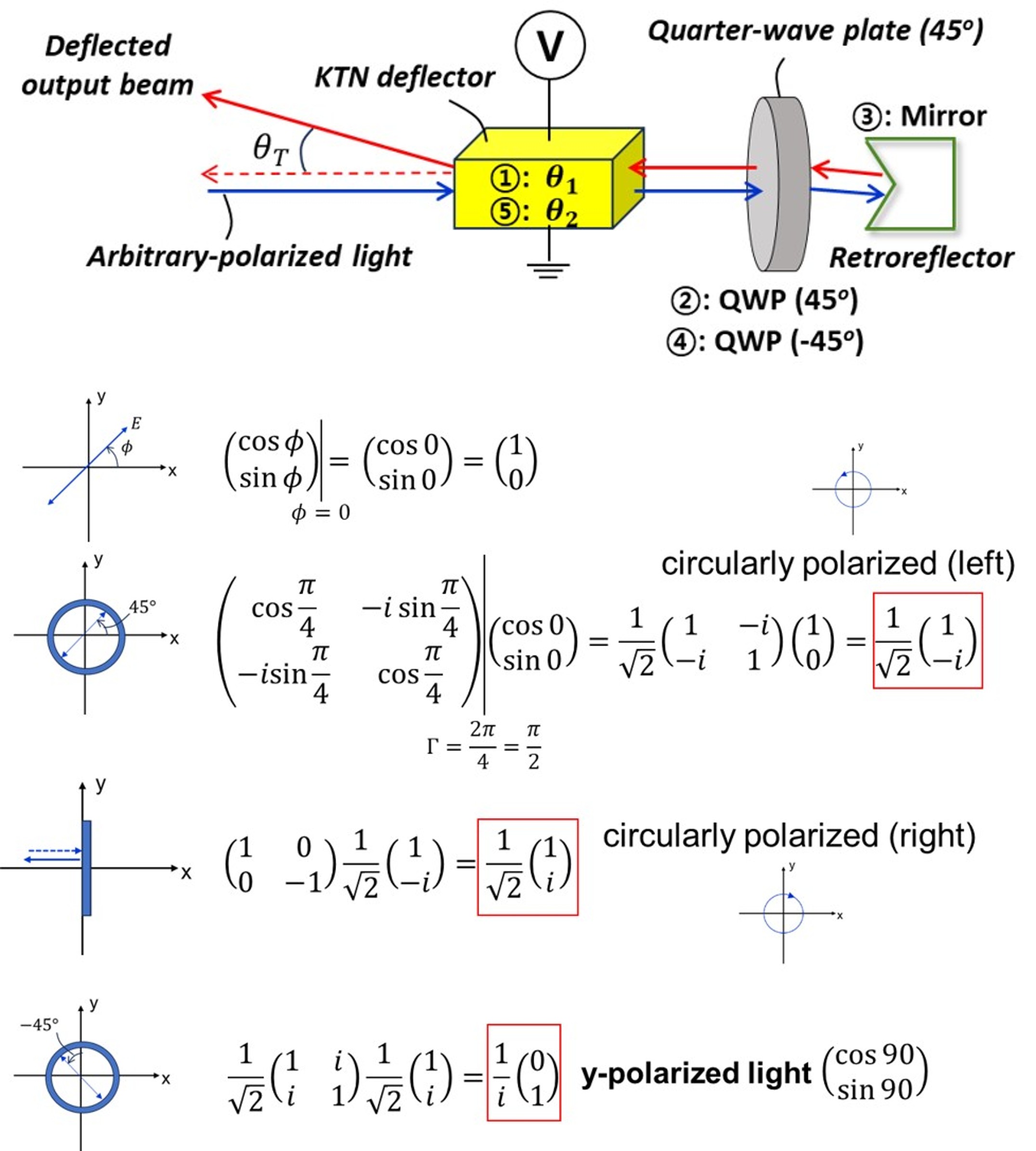
Working principles (intuitive) of polarization-free beam deflection
Working principle of a polarization-independent beam deflector.
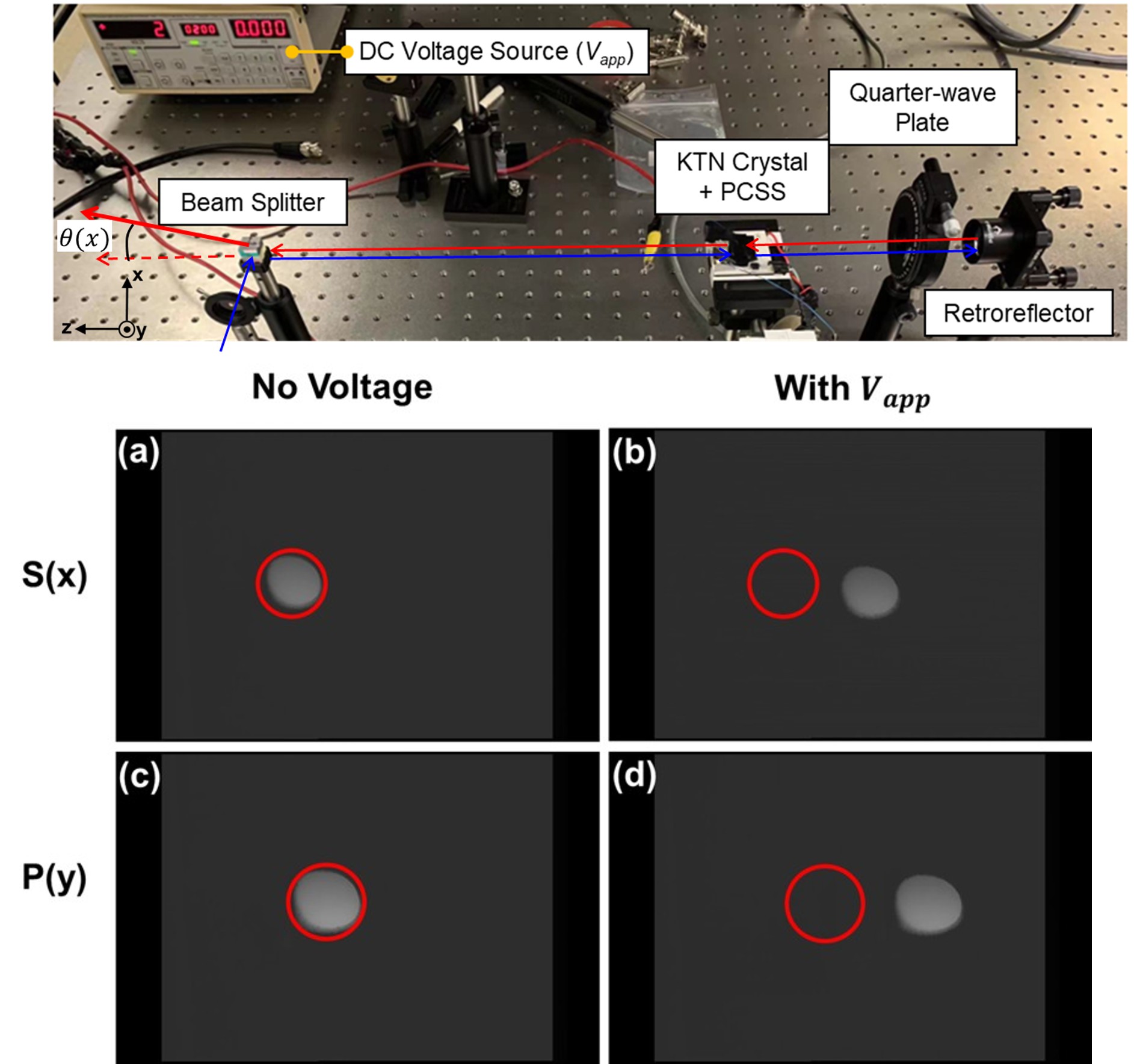
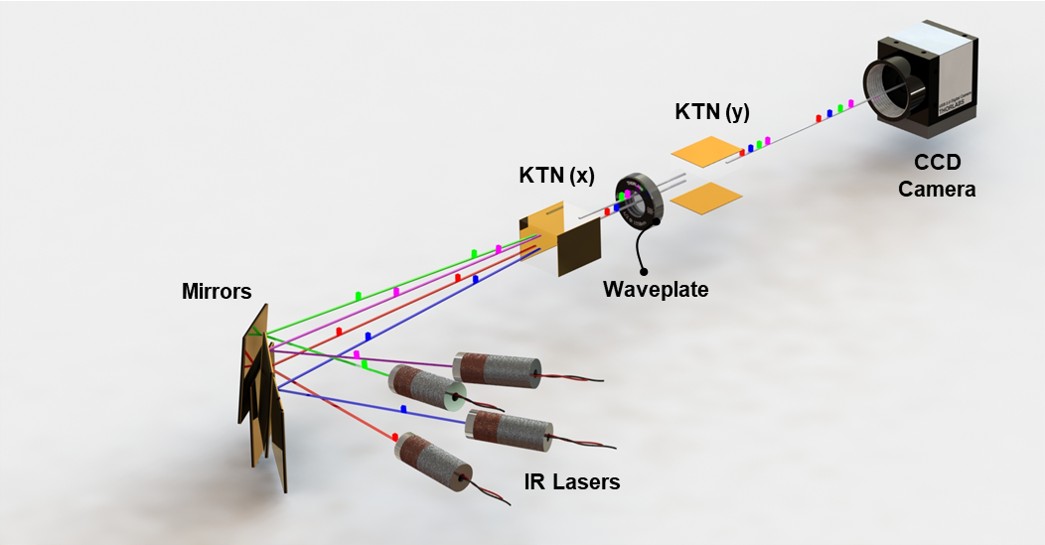
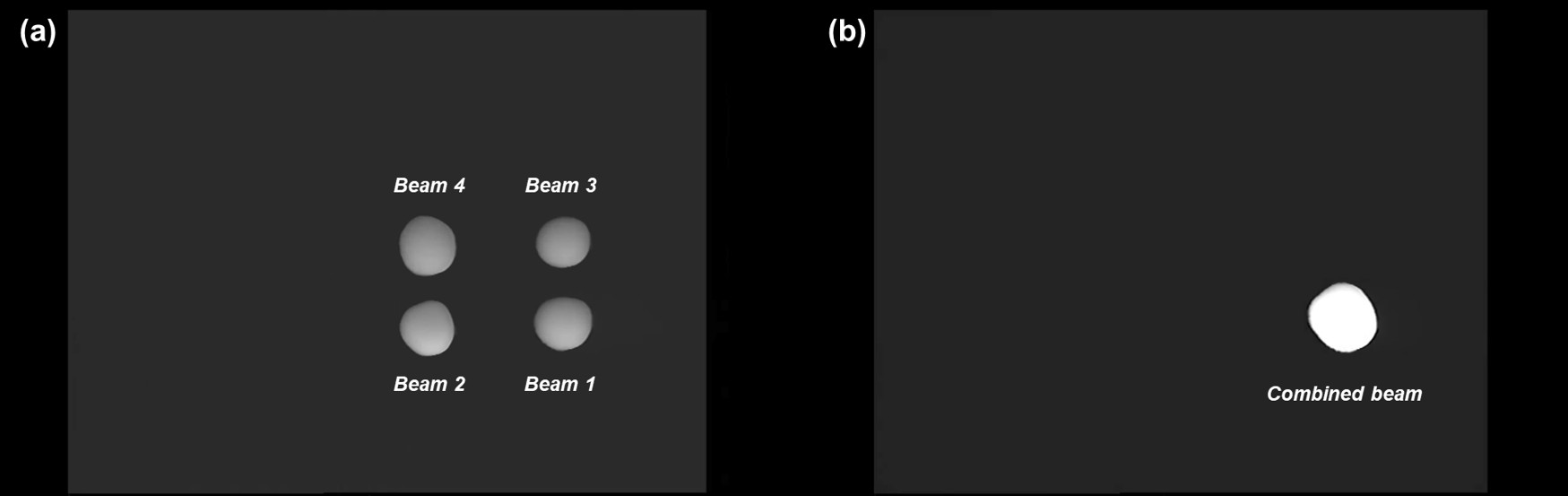
Experimental setup of the polarization-independent beam deflector. CCD results demonstrating polarization-independent beam deflection.
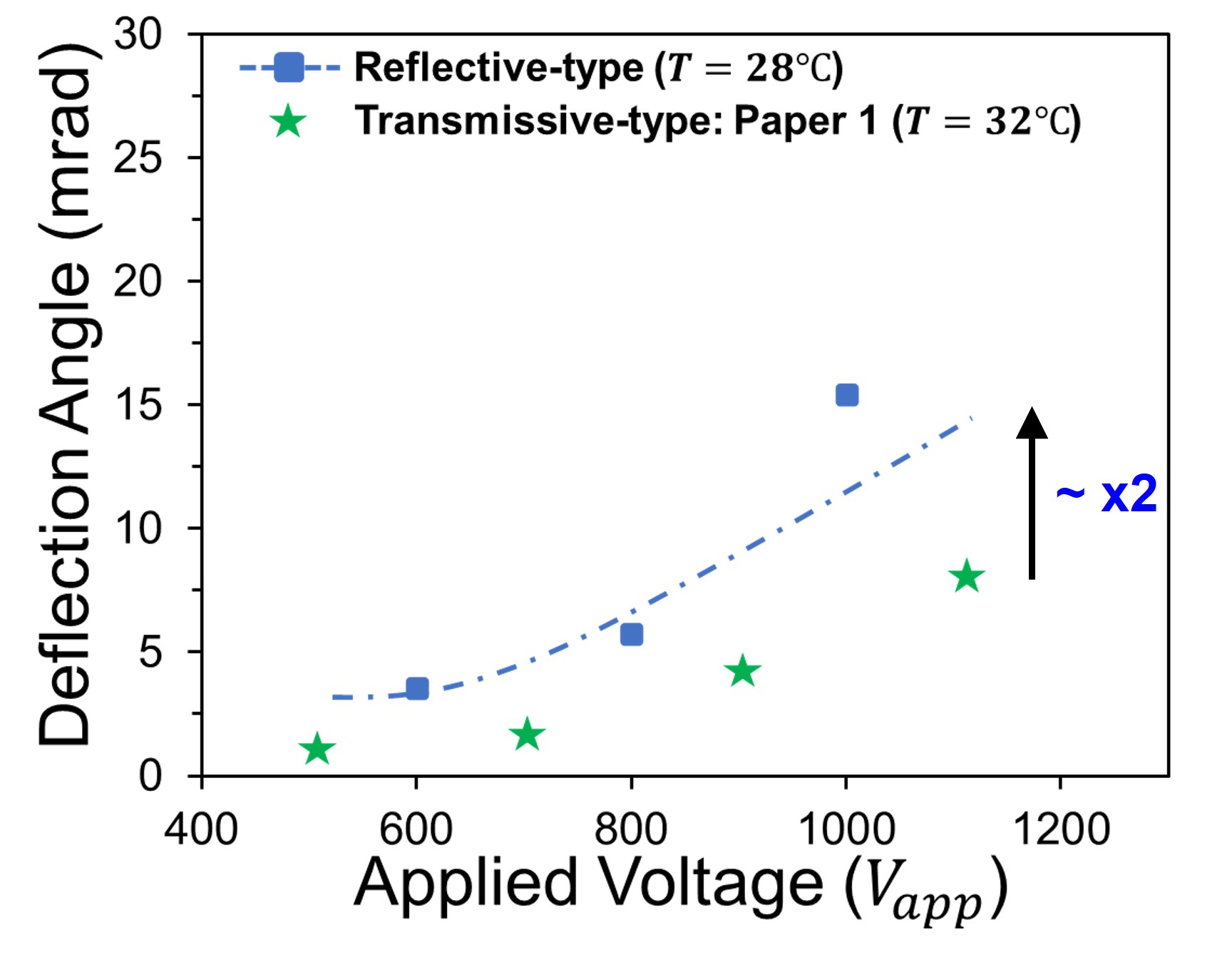
Measured beam deflection angles (mrad) of the reflective-type polarization-independent KTN EOD.
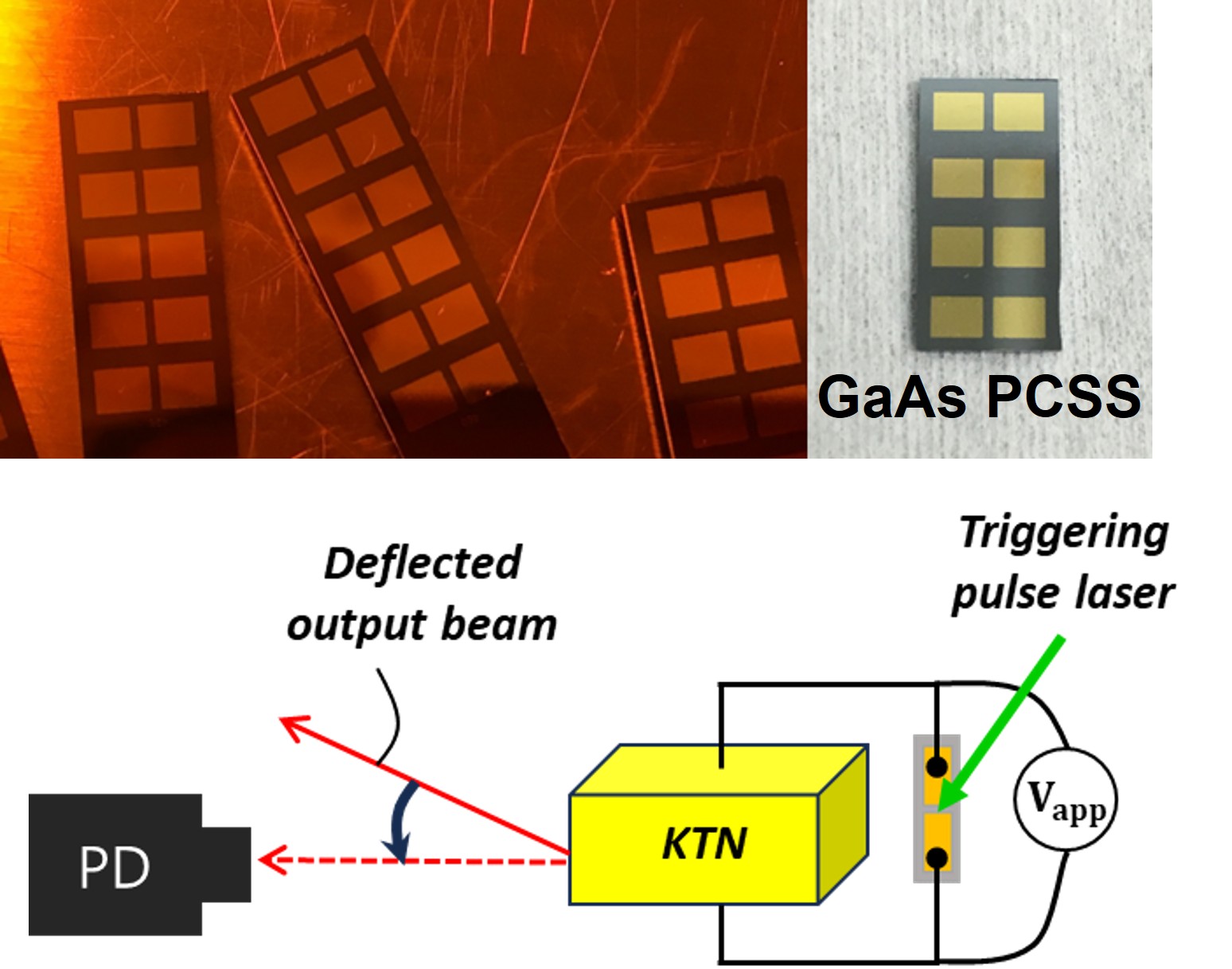
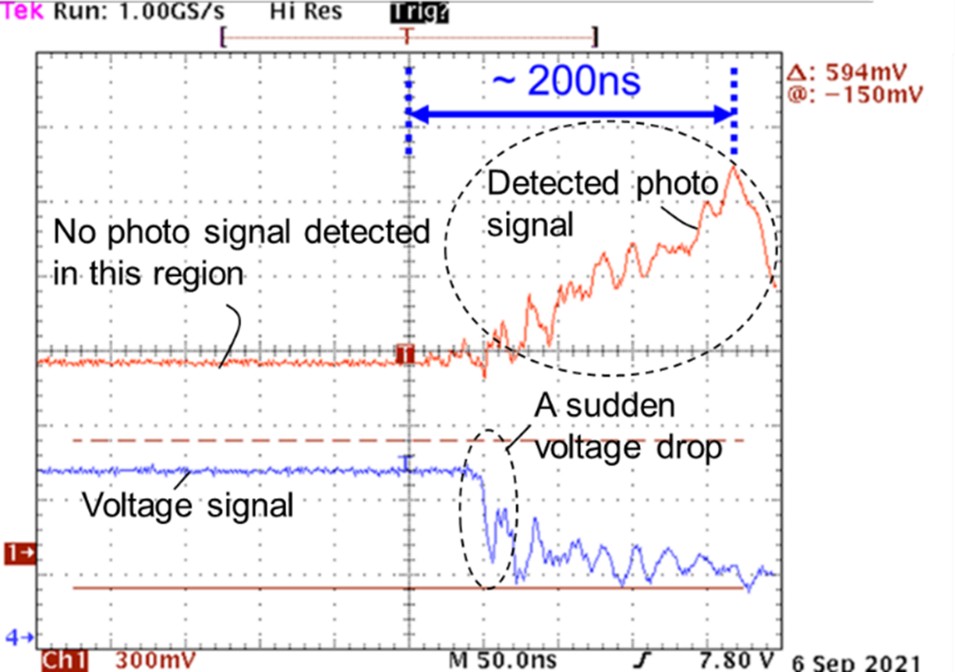
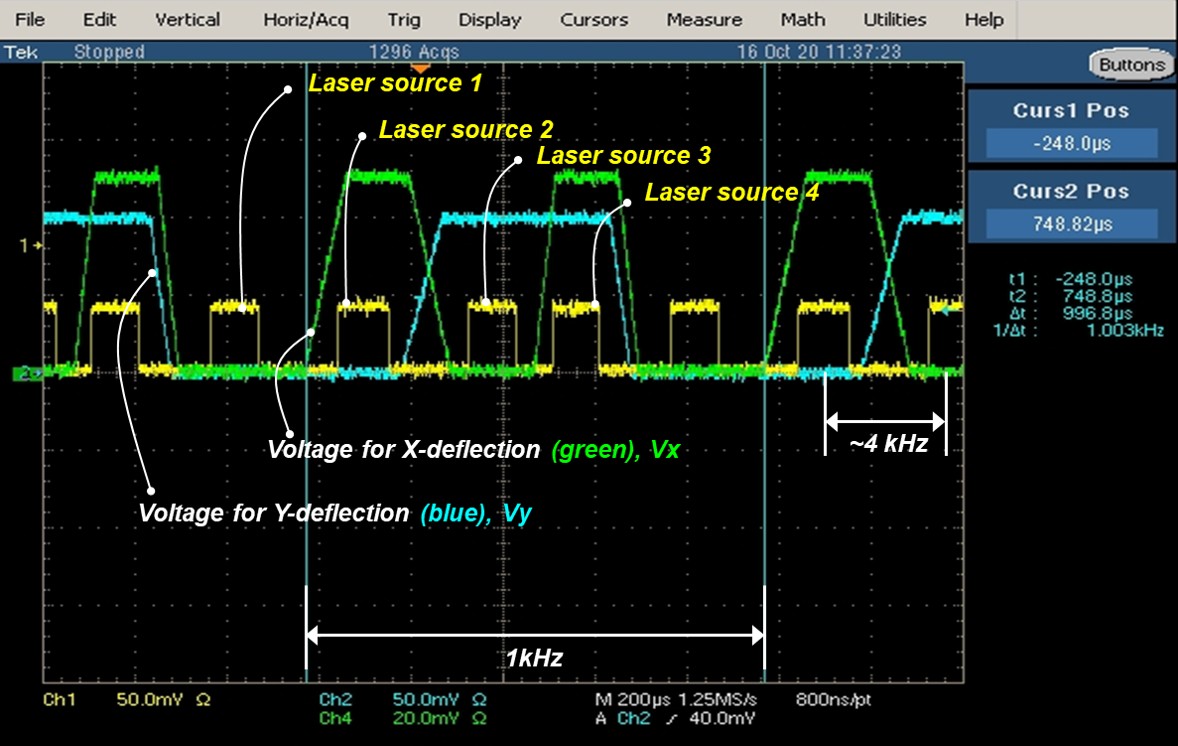
Deflection speed measurement of the KTN EOD using a PCSS (Photoconductive Semiconductor Switch).
Measured beam deflection response of the KTN EOD.

03

Surface-Topology-Enhanced Electrode Design

Challenge: Achieving larger beam deflection angles under the same applied voltage is limited by device reliability.

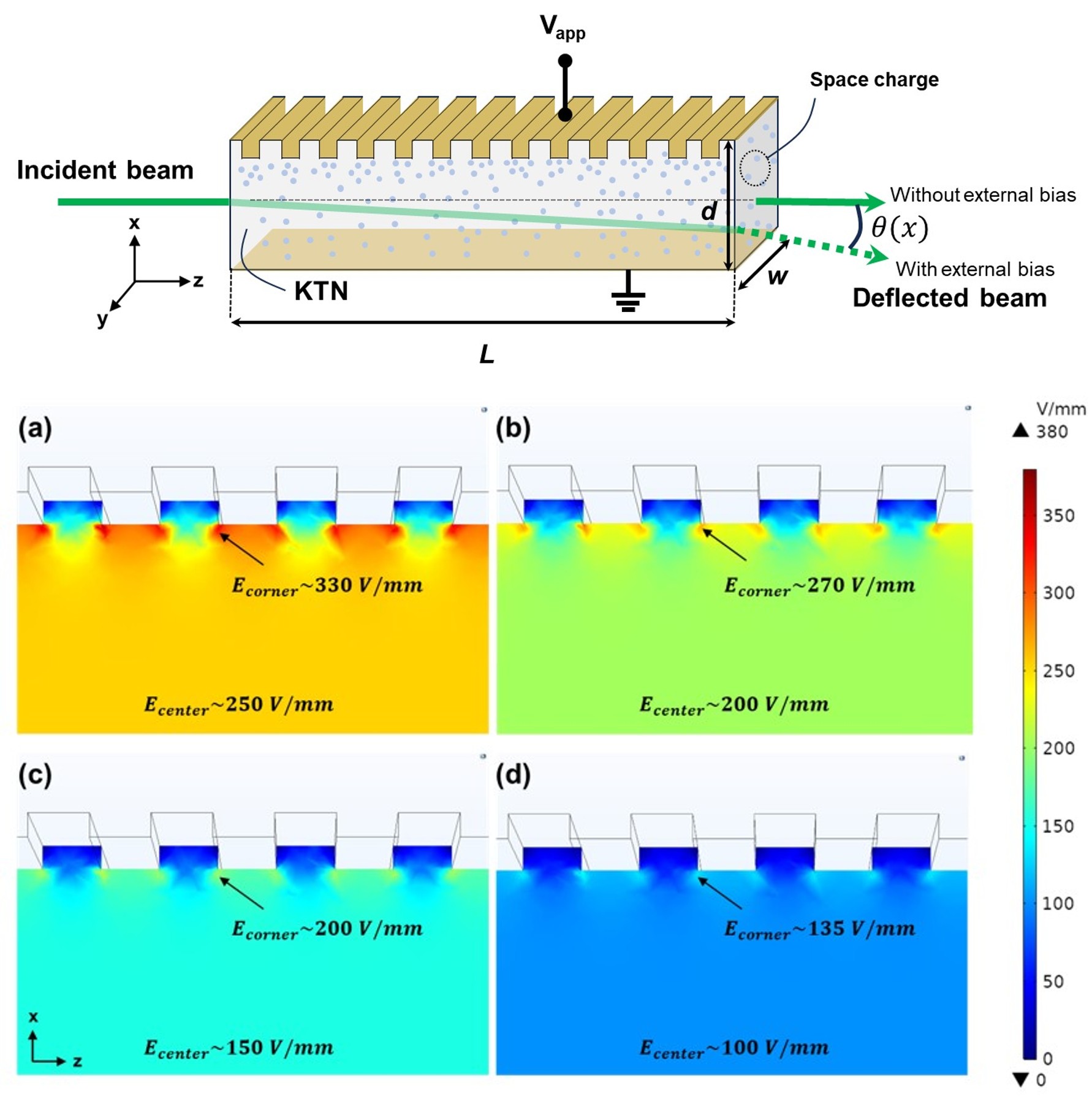
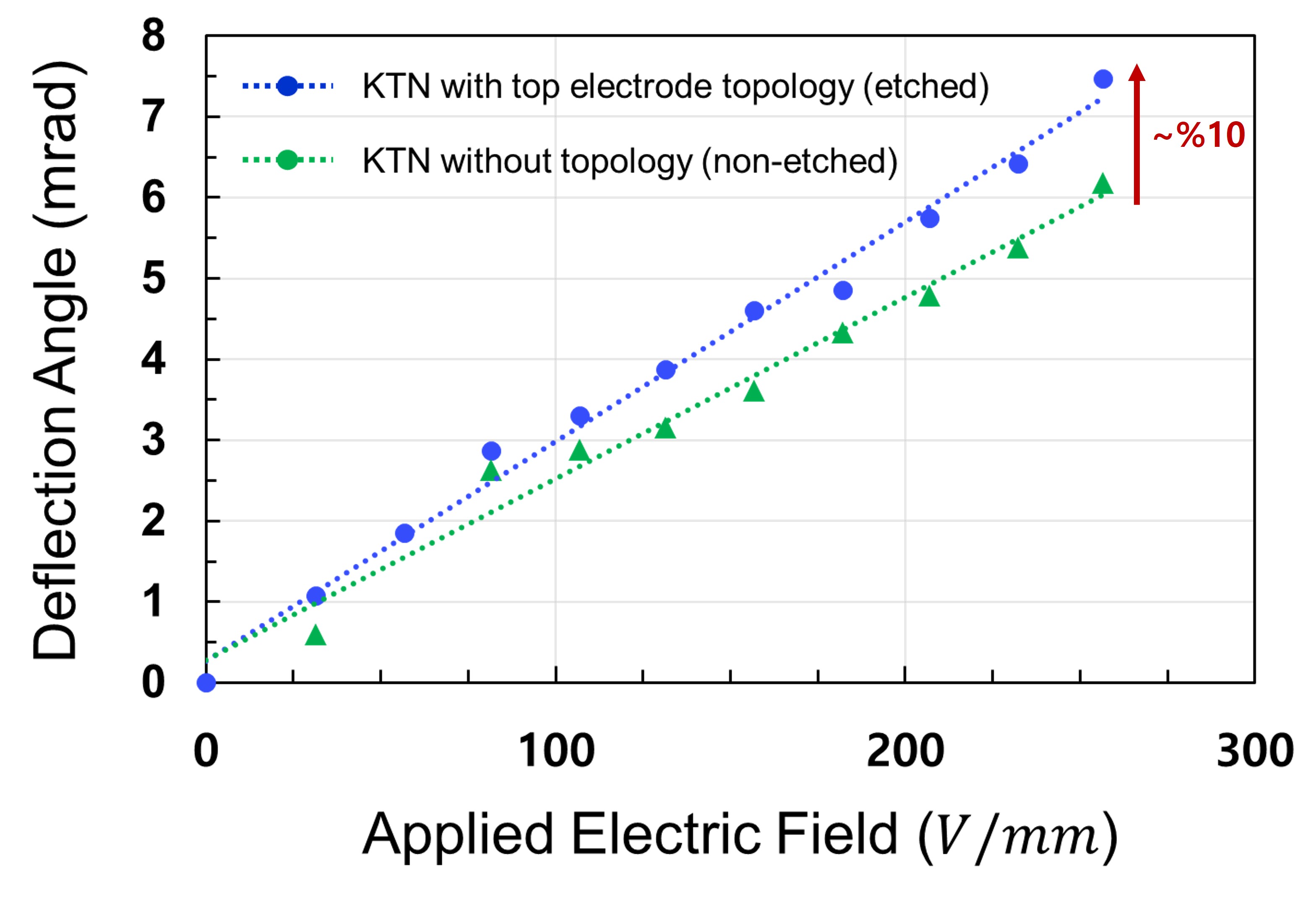
What we did: Introduced a surface topology on the KTN crystal to enhance the local electric field, enabling greater charge injection.

Schematic of the surface topology of the KTN EOD. FEA simulation (COMSOL) of the electric field distribution.
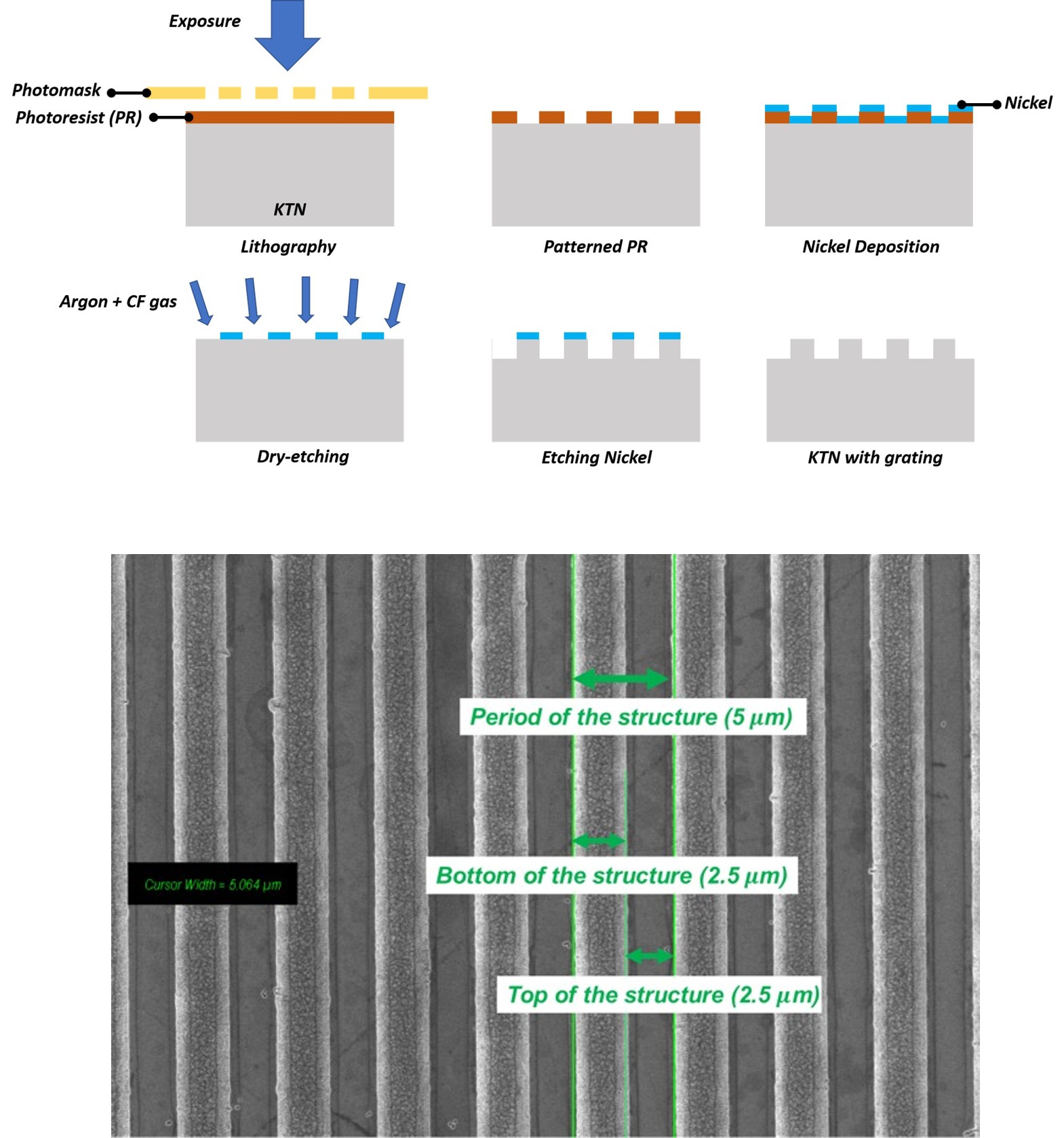
Photolithography and dry-etching process for the KTN crystal and the resulting SEM image.
Measured beam deflection angle (mrad).

04

Free-Space Optics, Fabrication & Characterization

Challenge: Reliable device validation required a complete workflow from fabrication to high-speed optical & electrical setups.

What we did: Built and aligned free-space optical systems, synchronized high-voltage and detection equipment, and performed cleanroom fabrication and device characterization.

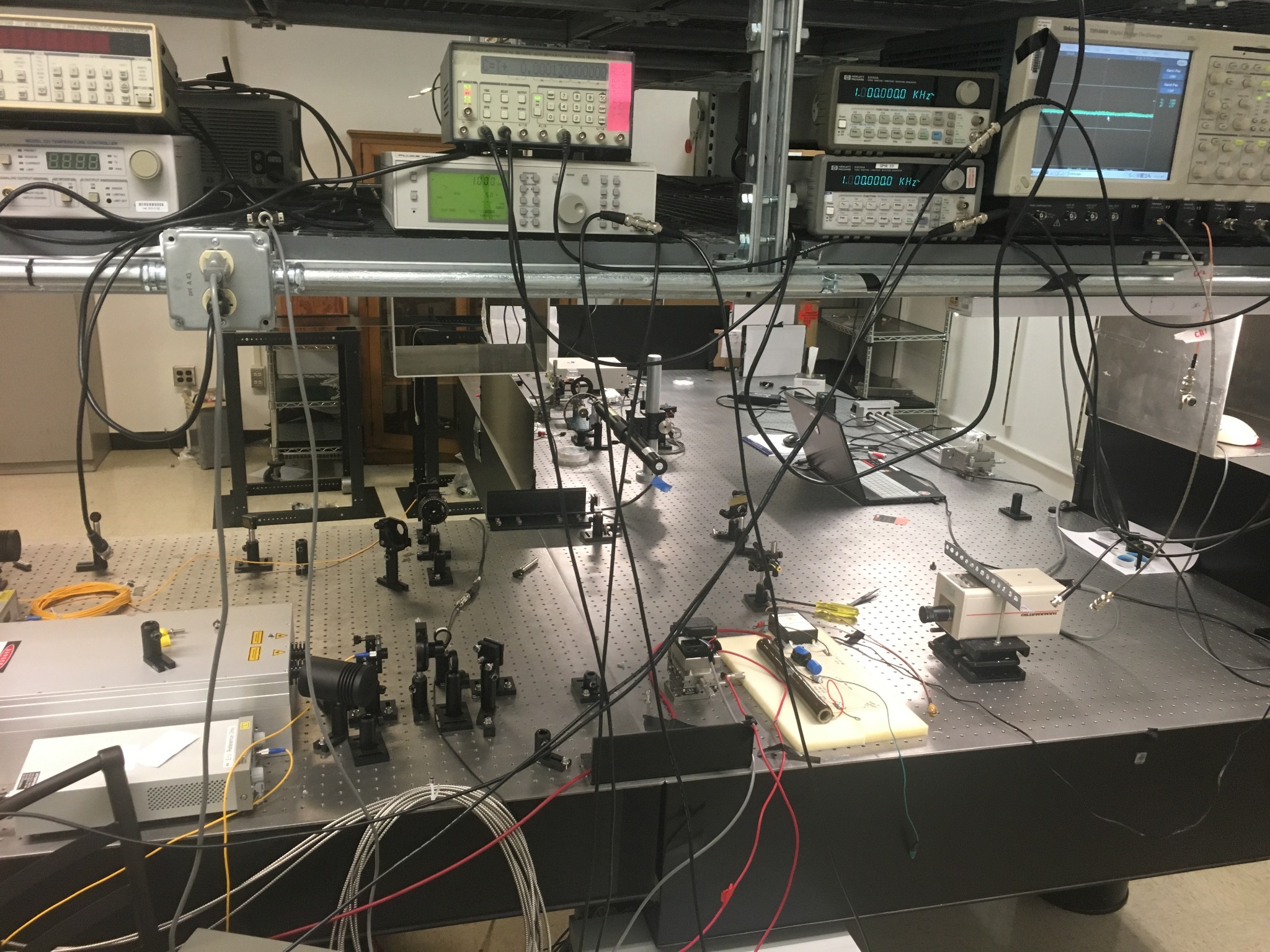
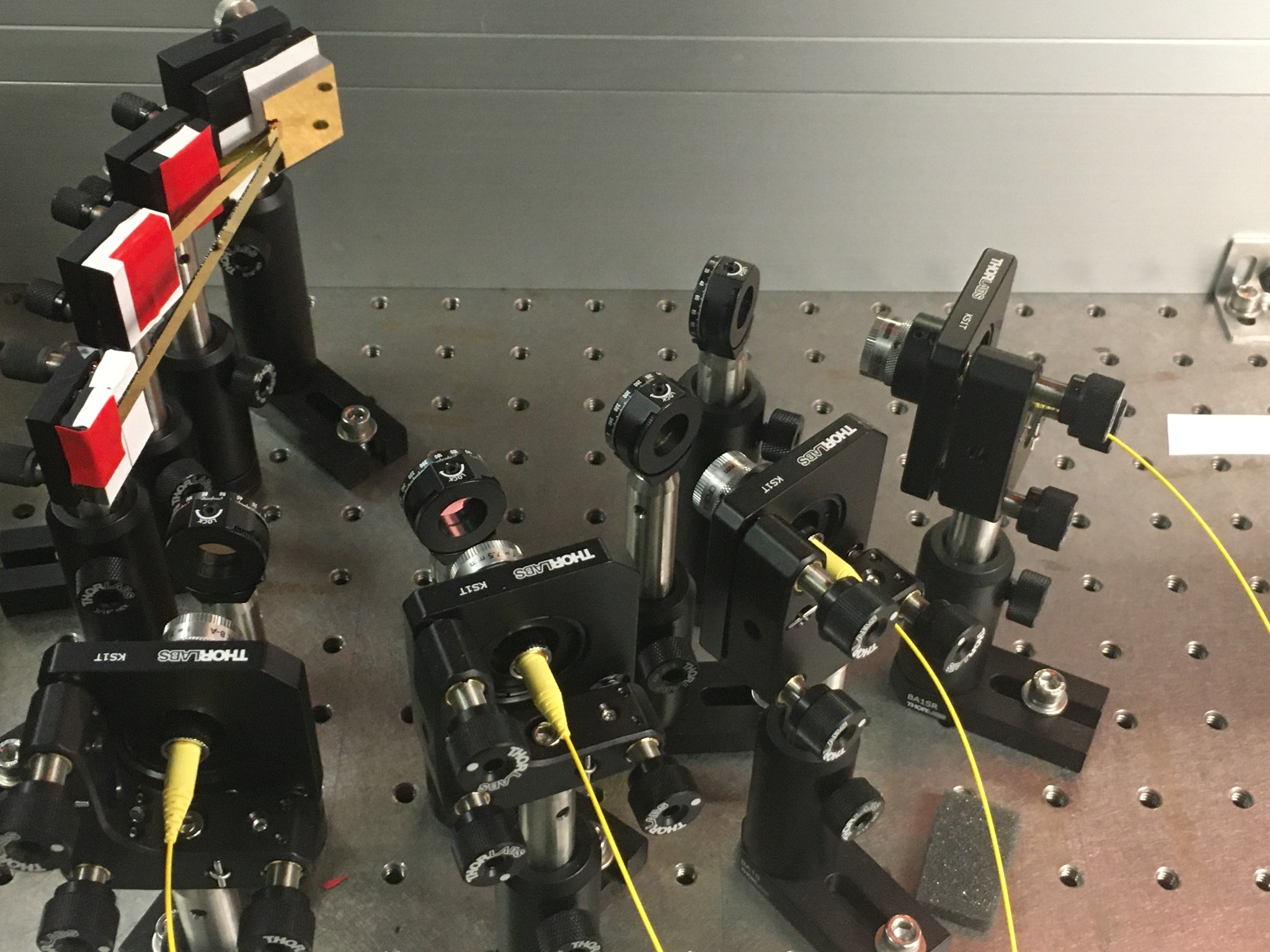
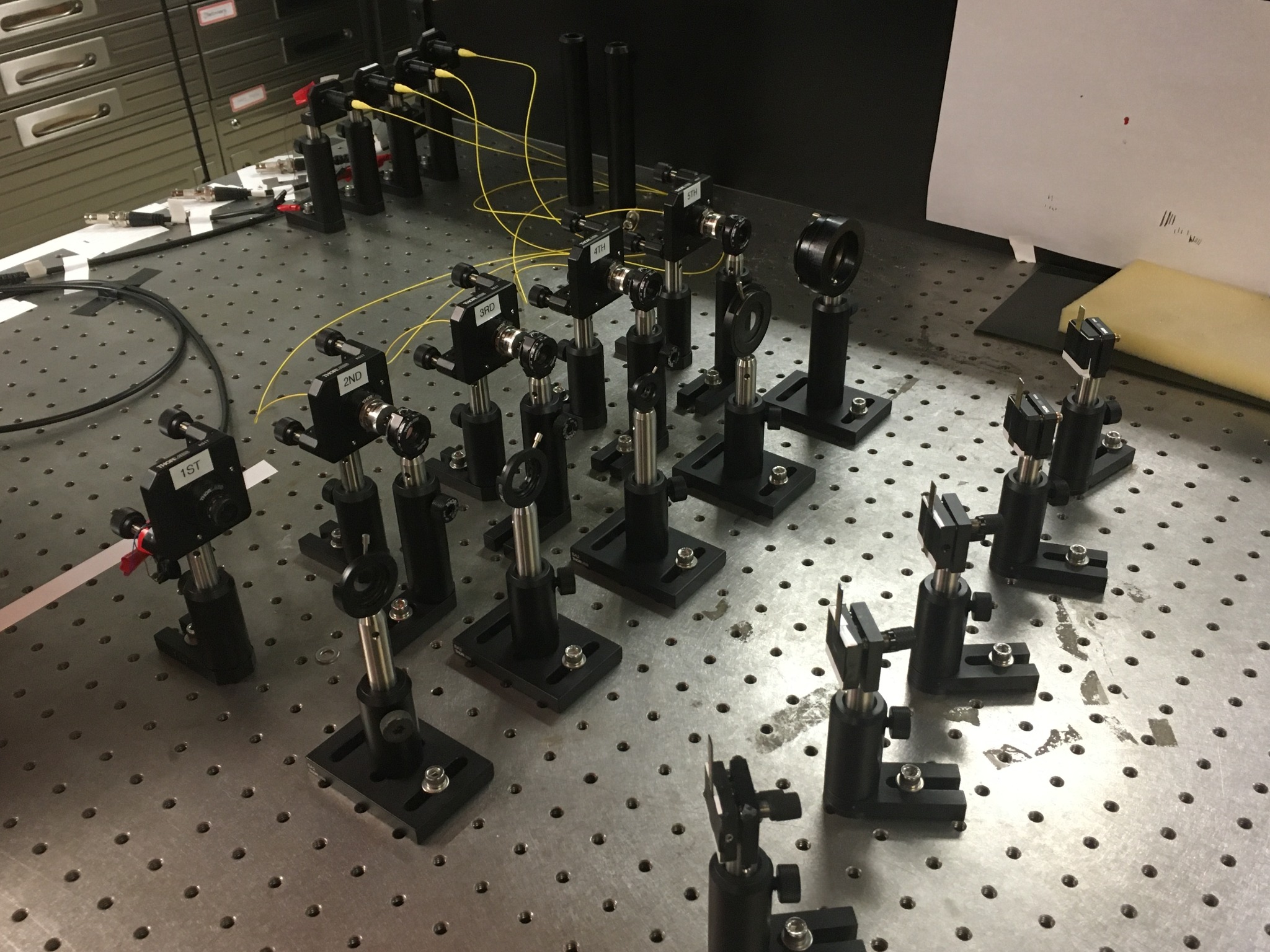
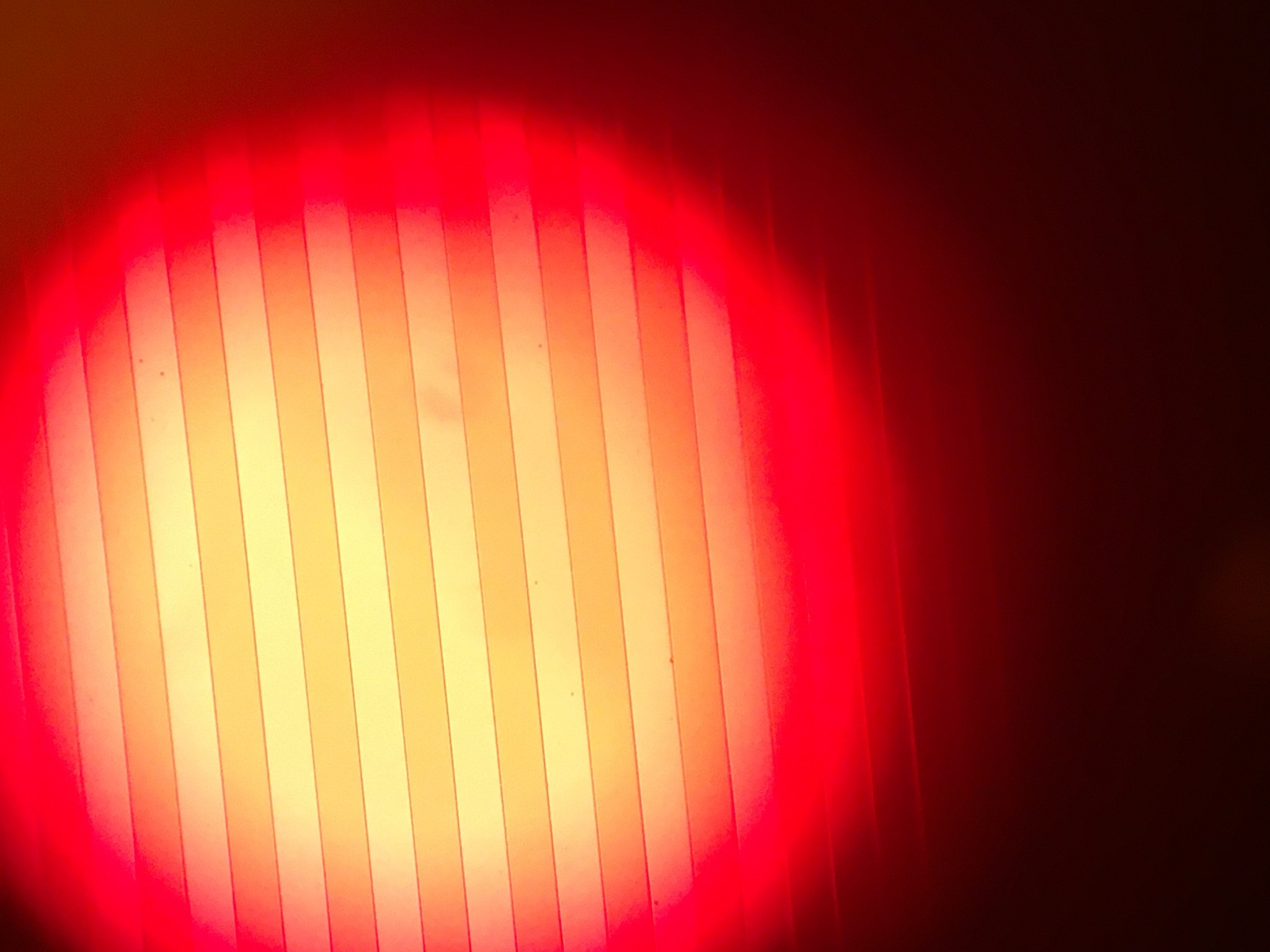
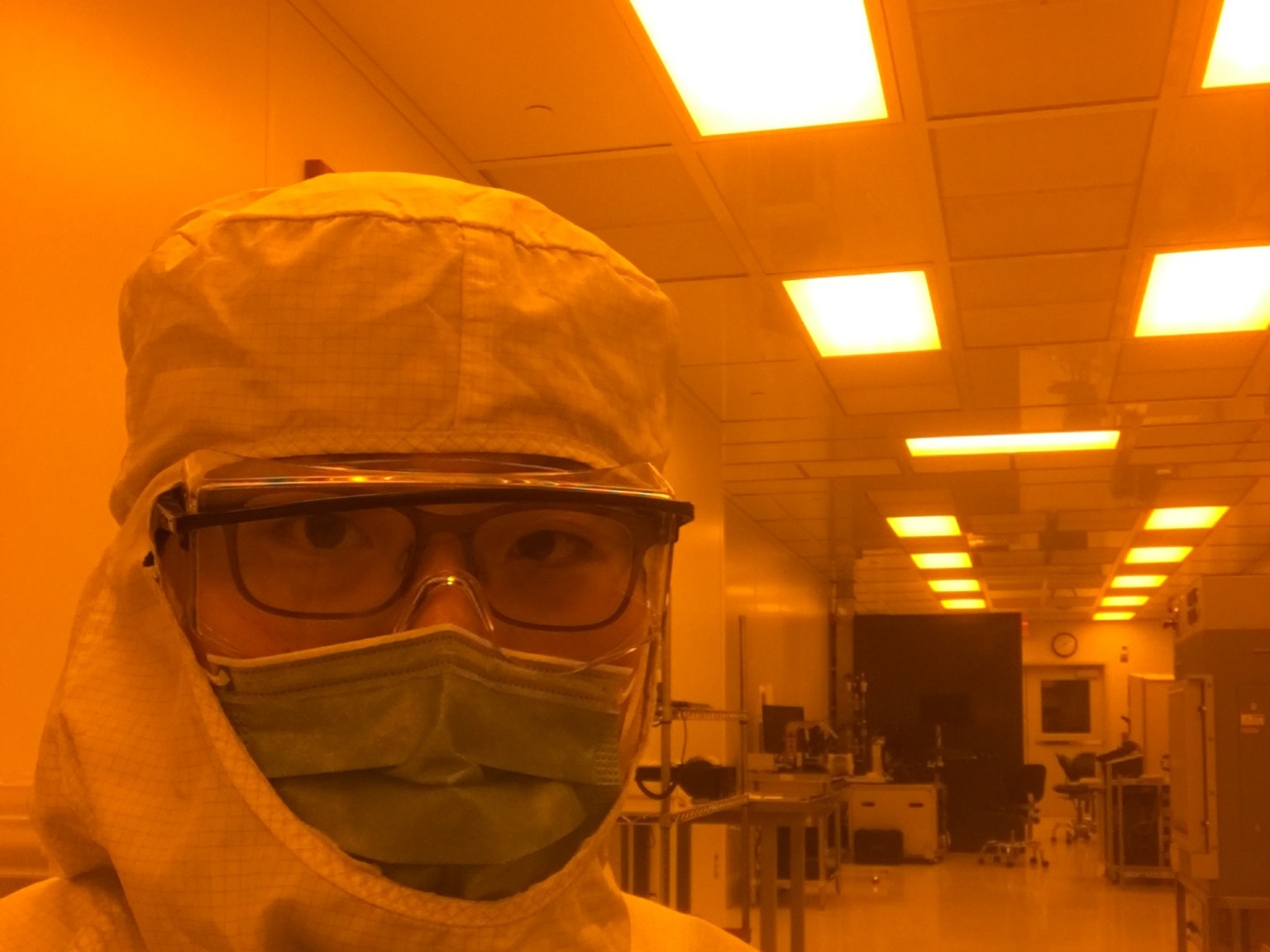
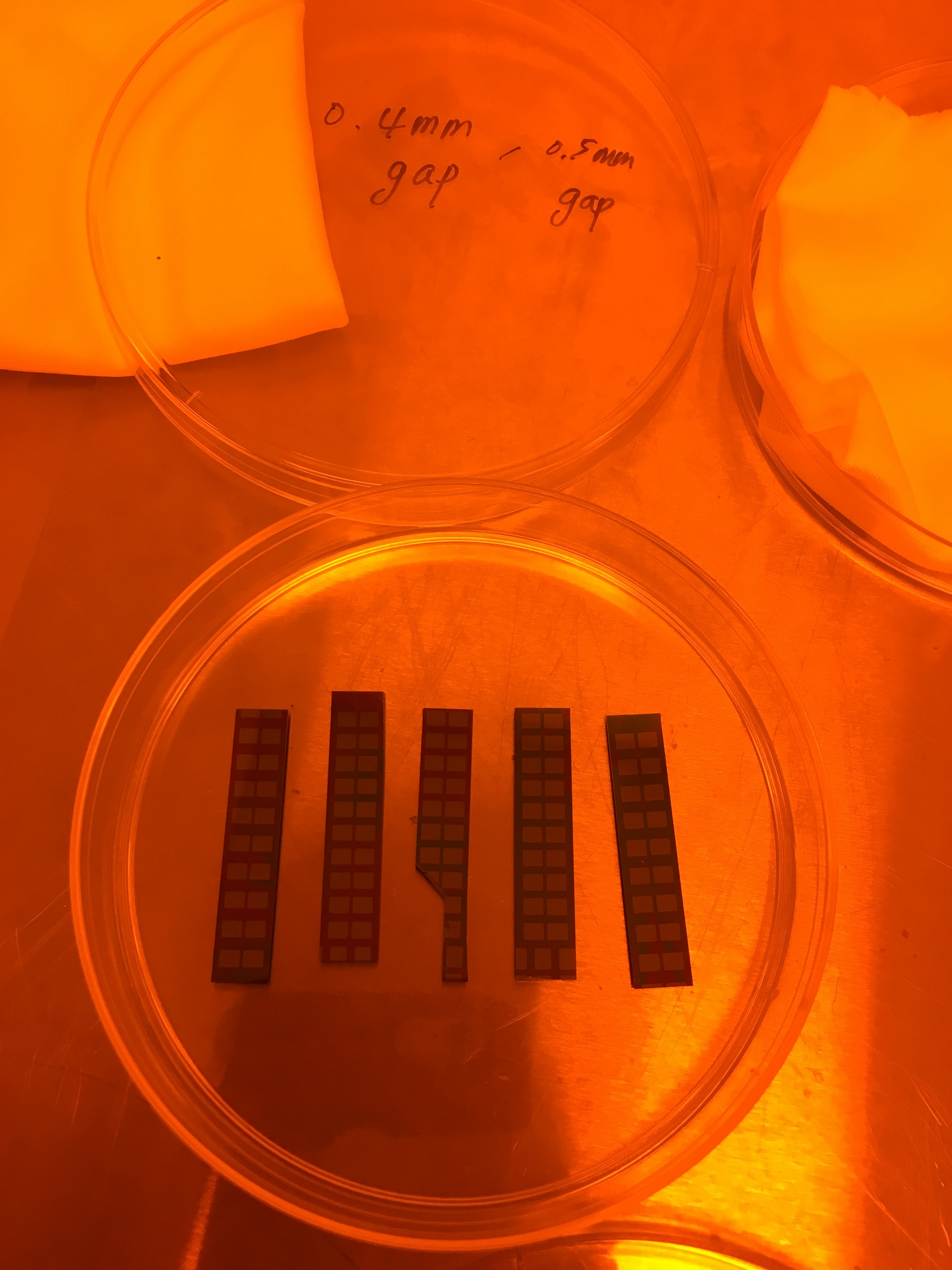
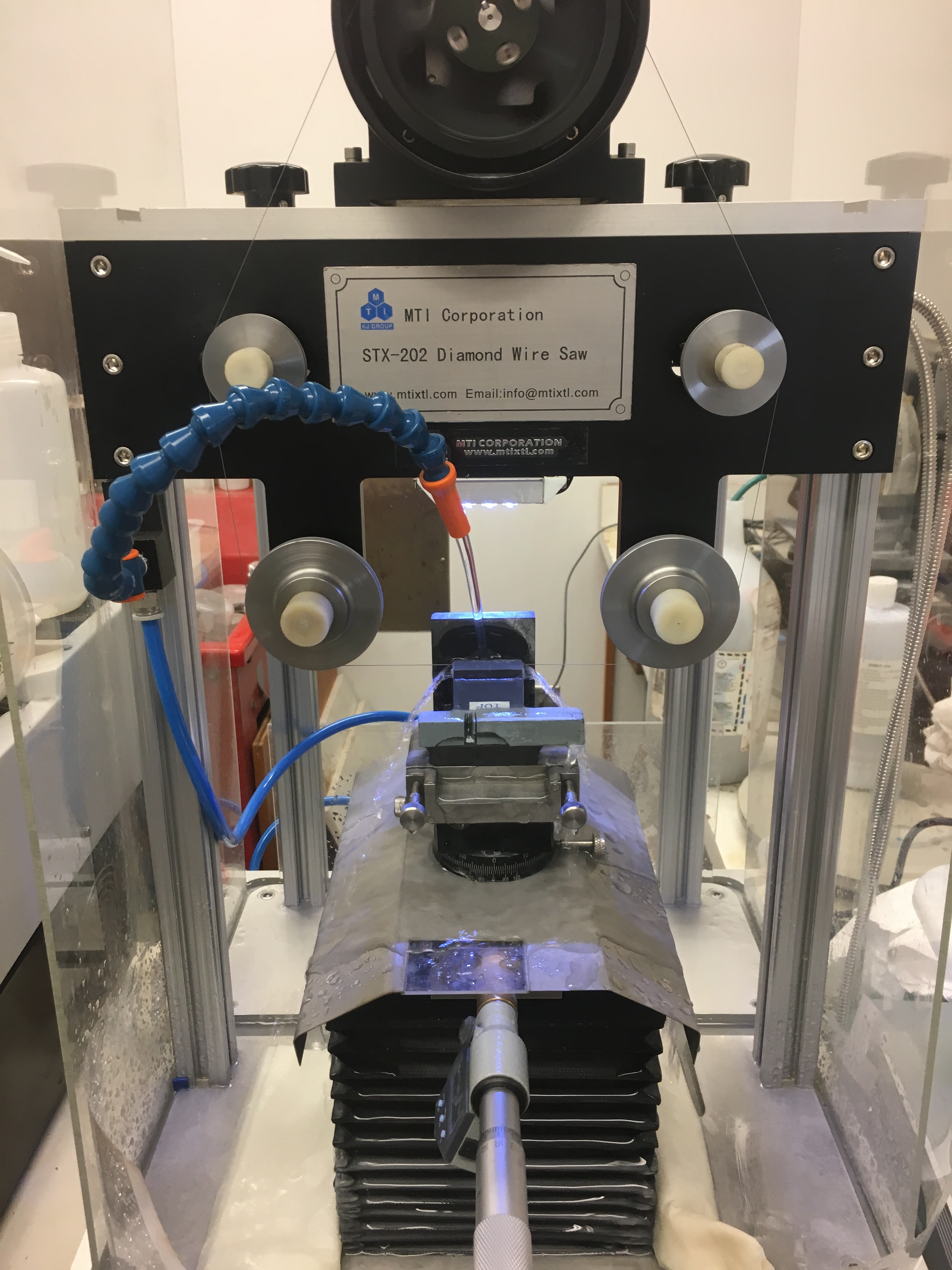
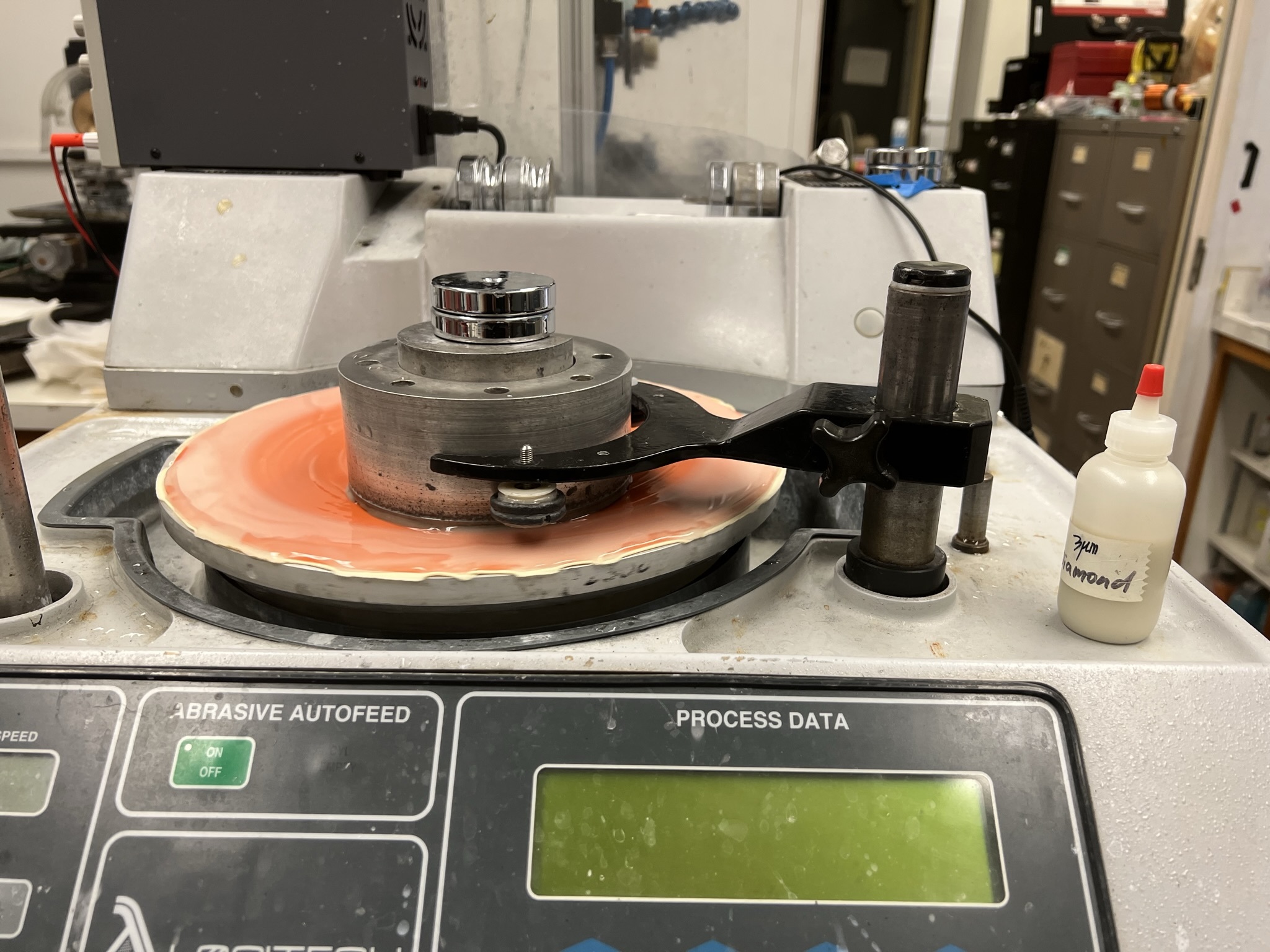
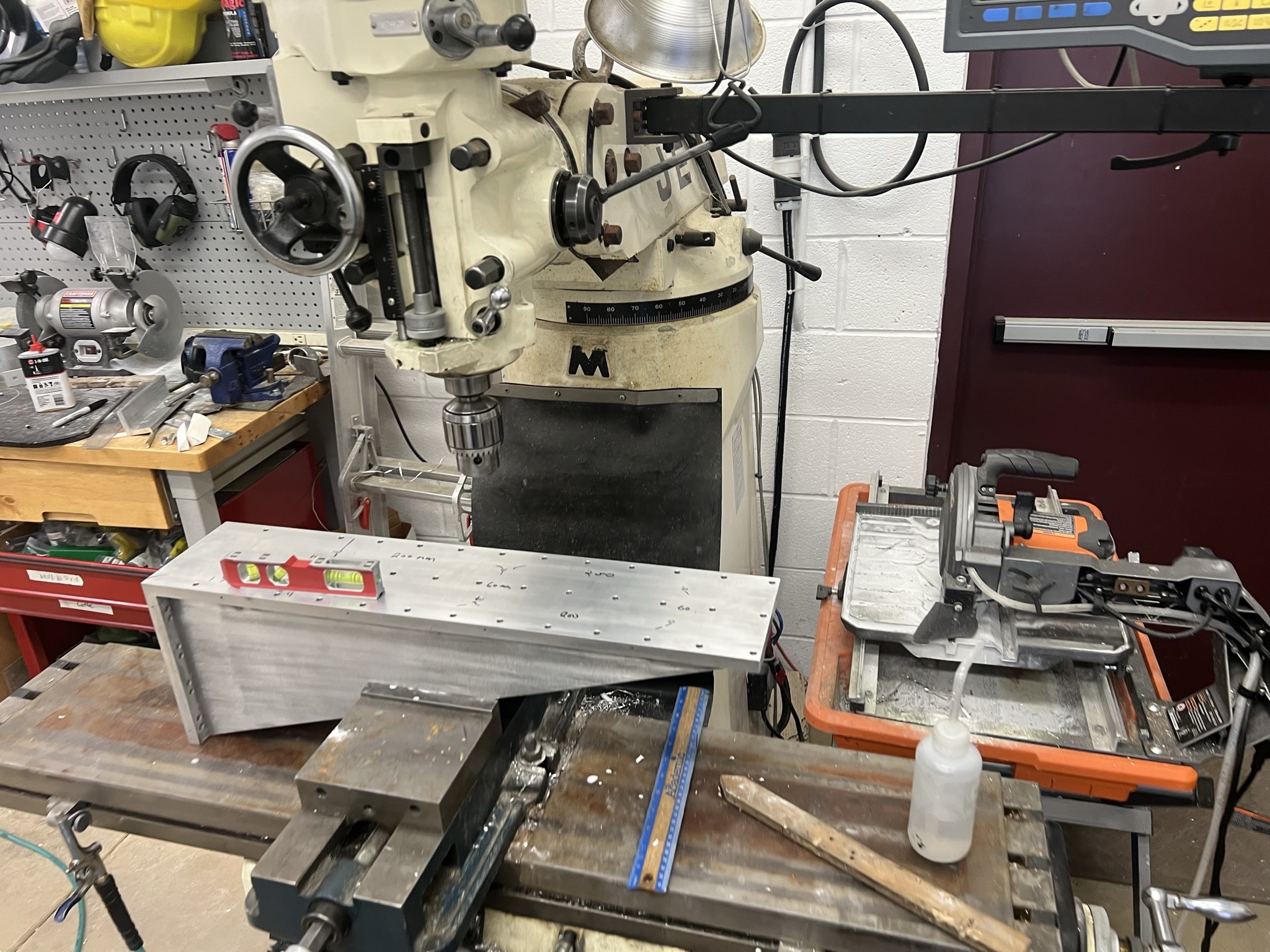
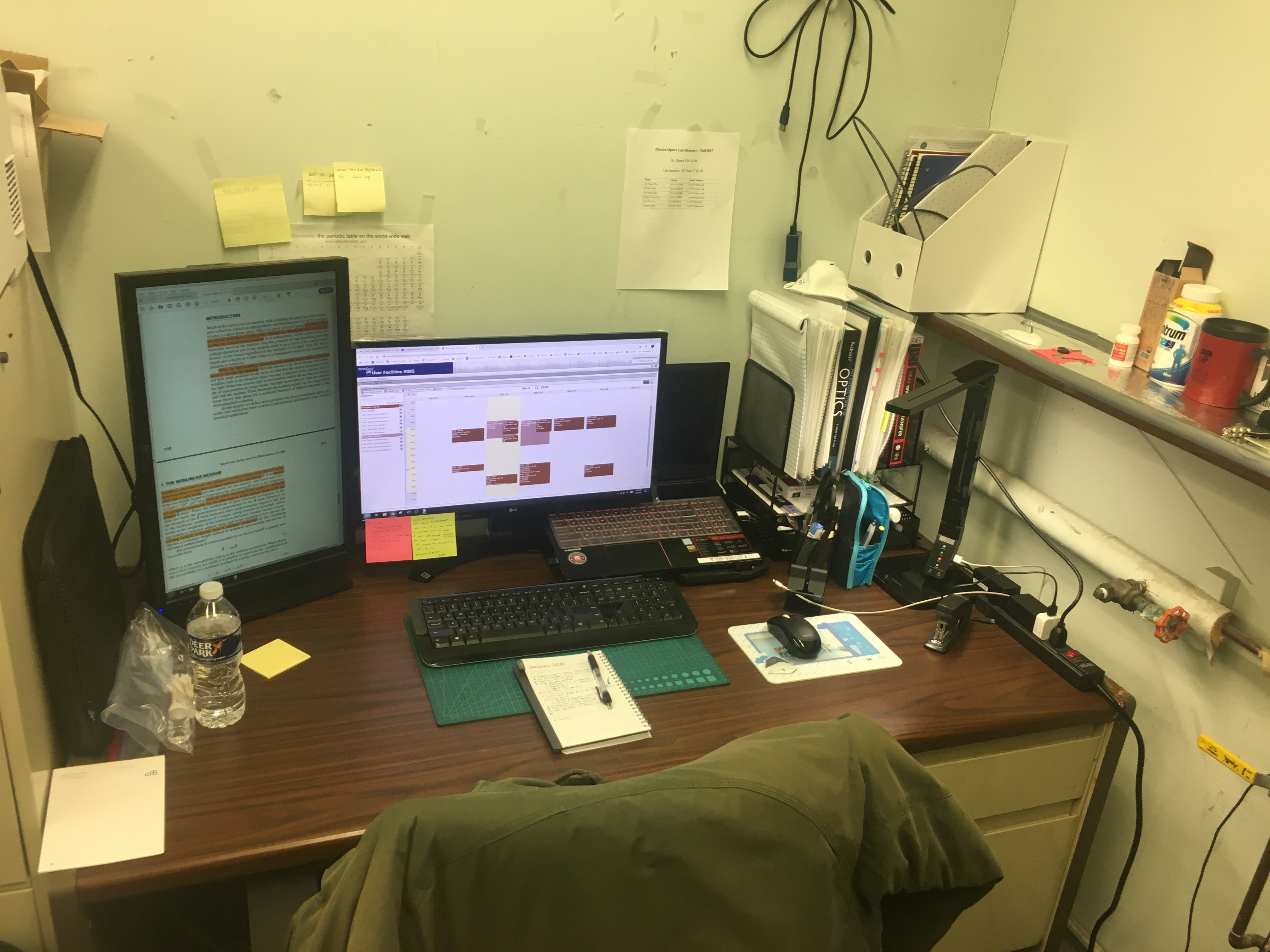
Wide view of a free-space optical experimental setupClose-up of optical alignmentClose-up of optical alignmentPatterned device sample after photolithography and developmentYun Goo Lee working in a cleanroom fabrication environmentPhotoconductive Semiconductor Switch (PCSS) - GaAs SubstrateDiamond wire saw cutting for the sample preparationOptical polishing (under 50nm) for the sample preparationMachining process for the sample preparationYungoo's desk for his Ph.D. candidate years

INDUSTRY PROJECT

EV Battery Thermal Management

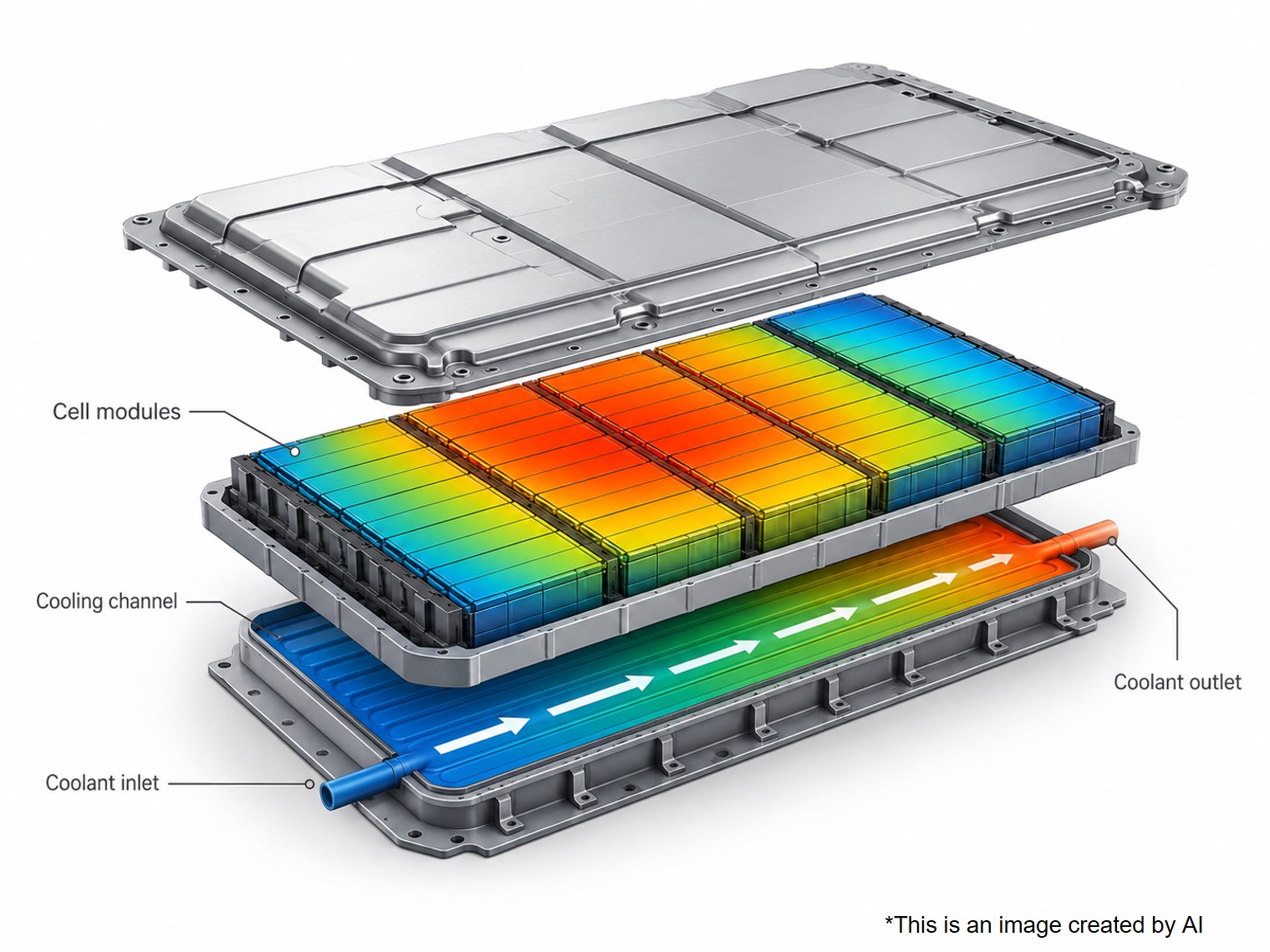
Concept illustration of EV battery thermal management
AI-generated concept image.
OVERVIEW

Project Summary

Perform CFD-based virtual validation of EV battery thermal systems, including cooling performance, temperature trends, design exploration, and reduced-order modeling.

MY ROLE
  • Battery-system thermal analysis using 3D CFD simulation.
  • Cooling-performance evaluation under various driving conditions.
  • Physics-based surrogate modeling for cooling structures.
  • Python and Java automation for simulation workflows.

INDUSTRY PROJECT

Wireless BMS Propagation Modeling

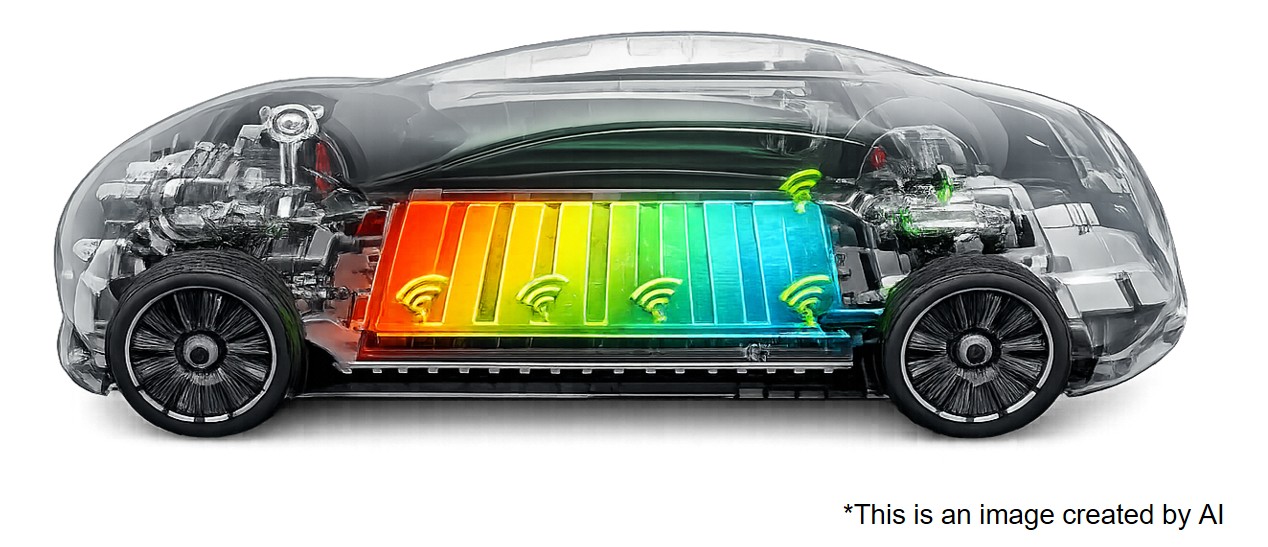
Concept illustration of wireless communication in an EV battery system
AI-generated concept image.
OVERVIEW

Project Summary

Perform early-stage 3D electromagnetic analysis of antenna placement, propagation paths, shielding effects, and wireless communication robustness in battery environments.

MY ROLE
  • Built and analyzed 3D EM simulation models.
  • Studied antenna behavior and propagation paths.
  • Evaluated shielding and structural effects.
  • Connected simulation results to communication reliability.

NEXT

Explore the Rest of My Website

If you would like a broader overview, visit the About page. For ongoing study notes and technical learning, explore Engineering Notes.